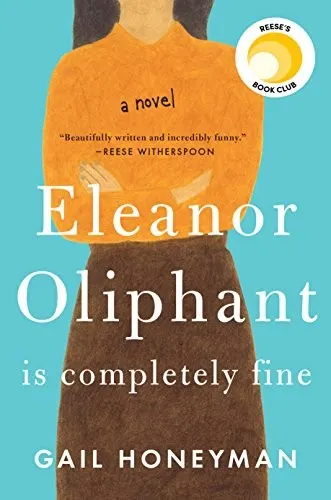
About Eleanor Oliphant Is Completely Fine
Eleanor Oliphant is nearly thirty and works as a finance clerk at a graphic design firm in Glasgow. She has had the same job for nine years. She eats the same lunch, wears the same clothes, and spends every weekend alone with frozen pizza and vodka. Every Wednesday evening she speaks on the phone with her mother, whom she calls Mummy, and those calls leave her shaken. Eleanor says what she thinks with no filter, which makes her colleagues laugh at her behind her back. She has scars on her face she does not talk about. Then two things happen. She develops a fierce crush on a local musician she has never met. And she and Raymond, a scruffy, kind man from the office IT department, help an elderly man named Sammy after he collapses in the street. That small act opens her life to other people for the first time in years. Gail Honeyman’s debut is funny for long stretches, and then it is not. It works so well for book clubs because readers fall for Eleanor slowly, and because the book has a lot to say about loneliness, which many people feel and few talk about.
Discussion questions for Eleanor Oliphant Is Completely Fine
Eleanor’s voice is formal, blunt, and often very funny. How did you feel about her in the first chapters? When did that start to change?
Eleanor insists she is completely fine. What clues does Honeyman give us early on that she is not? When did you first suspect something deeper was wrong?
Eleanor’s colleagues mock her when she is not around. Did these scenes remind you of any workplace you have known? How do we treat people who do not fit in?
Her crush on the musician is built almost entirely in her own head. Why do you think she needs this fantasy so much? What is she really hoping for?
Raymond is not glamorous, and he is not a romantic hero. Why is he exactly the friend Eleanor needs? What does he see in her?
Helping Sammy after his fall pulls Eleanor into the lives of his family. What does she learn from being welcomed into an ordinary, loving home?
The Wednesday phone calls with Mummy are hard to read. What do they tell us about Eleanor’s childhood and about why she lives the way she does?
Eleanor has a lot of firsts in this novel: a haircut, a manicure, a party. Which of these moments did you find funniest, and which most moving?
The book takes loneliness seriously, and shows how it can hide in plain sight. Do you think loneliness is talked about enough? Where did you see it in your own life or community?
Eleanor eventually starts therapy. How did you feel about the way the novel shows her counselling sessions? Did they ring true?
Raymond’s mother, Sammy’s family, and Eleanor’s boss all show her small kindnesses. Which small act of kindness mattered most to her, in your view?
The title is ironic at the start. By the end of the book, is Eleanor “completely fine”? What would “fine” look like for her?
Themes in Eleanor Oliphant Is Completely Fine
Loneliness
Eleanor does not speak to another person from Friday night to Monday morning. The novel makes clear how common this kind of loneliness is, and how invisible it can be. It also shows how a life built to avoid pain can end up causing a different kind of pain.
Trauma and survival
Eleanor’s routines, her vodka, and her rigid manners are ways of getting through each day. As the story goes on, the novel shows what she has been surviving. It treats the damage of childhood trauma with honesty, and it never makes Eleanor a joke.
Friendship without romance
The central relationship in this book is a friendship. Raymond is patient, decent, and does not ask Eleanor to be anyone else. Many readers find it refreshing that the novel does not rush the two of them into a love story.
Healing in small steps
There is no single moment that fixes Eleanor. She gets better through therapy, through other people’s kindness, and through her own hard work. The book suggests that healing is slow, uneven, and real.
Main characters in Eleanor Oliphant Is Completely Fine
- Eleanor Oliphant: a finance clerk in Glasgow who lives alone and keeps a strict routine.
- Raymond Gibbons: an IT worker at Eleanor’s office who becomes her friend.
- Sammy Thom: an elderly man whom Eleanor and Raymond help after he collapses in the street.
- Mummy: Eleanor’s mother, whose voice and weekly phone calls haunt Eleanor.
- Johnnie Lomond: a local musician who becomes the object of Eleanor’s crush.
- Bob: Eleanor’s boss at the design firm.
Eleanor Oliphant Is Completely Fine ending explained (spoilers)
This section gives away the ending. Skip it if your club has not finished the book.
What happens with the musician? Eleanor finally sees Johnnie Lomond perform in person. He is careless and unkind, nothing like the man she imagined. The fantasy collapses, and with it Eleanor’s ability to keep going as she was. She falls into a deep depression and plans to drink herself to death. Raymond comes to her flat, finds her, and gets her help.
What really happened to Mummy? In therapy, Eleanor begins to face her childhood. When she was a child, her mother set fire to their home. Eleanor’s younger sister, Marianne, died in the fire, and Eleanor was left with the burns on her face. In the final pages we learn that Mummy also died in that fire. The Wednesday phone calls were never real. They were Eleanor’s own mind, keeping her mother’s cruel voice alive.
How does it end for Eleanor? Eleanor decides to stop talking to Mummy. She keeps going to therapy. Her friendship with Raymond grows, and the book ends with a hint that it might become something more, though nothing is settled.
Clubs often talk about the twist. Did you see it coming? And does knowing the calls were imagined change how you read the earlier chapters?
Suggested book club format
- Length: About 330 pages, roughly eight hours of reading.
- Session count: One session works for most circles.
- Icebreaker: “What is one small kindness from a stranger or coworker that you still remember?”
- Moderator note: The book includes child abuse, a house fire that killed a child, heavy drinking, depression, and suicidal thoughts. There are also brief references to an abusive past relationship. Name these gently at the start, and keep crisis resources to hand.
How a real club read this
Share how your circle discussed Eleanor Oliphant Is Completely Fine: tell us about your reading circle.
More books like Eleanor Oliphant Is Completely Fine
- A Man Called Ove by Fredrik Backman: a grumpy, lonely man whose rigid routine is broken by the neighbours who refuse to leave him alone. A Man Called Ove discussion guide.
- Anxious People by Fredrik Backman: strangers thrown together, each hiding pain, who end up helping each other. Anxious People discussion guide.
- Remarkably Bright Creatures by Shelby Van Pelt: a solitary widow, an unlikely friendship, and a long-held grief. Remarkably Bright Creatures discussion guide.
- The Midnight Library by Matt Haig: a woman at her lowest point, and a second look at what makes a life worth living. The Midnight Library discussion guide.
Read Eleanor Oliphant Is Completely Fine with neighbours in a Mutuals circle. Learn how to run a great reading-circle discussion. Explore more contemporary fiction picks for book clubs.
About Mutuals
Mutuals matches you with a handful of neighbours whose reading taste overlaps with yours into a local reading circle close to home: monthly meetups, no app fatigue. Free to join. $15 only when we find your circle. If you want to read Eleanor Oliphant Is Completely Fine with people who live nearby, that is exactly what we do.
Bring Eleanor Oliphant Is Completely Fine to a Mutuals reading circle near you →
Turn the next chapter into a plan
Find a few nearby readers who share your taste. Free to sign up; $15 when you join your matched circle.
Also on the shelf
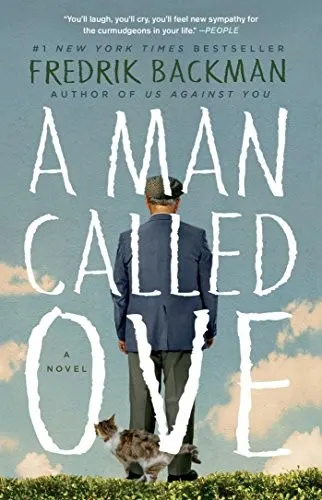 A Man Called Ove
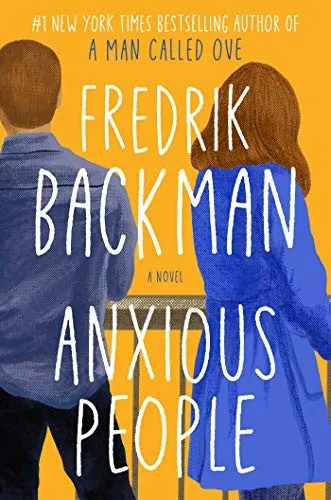 Anxious People
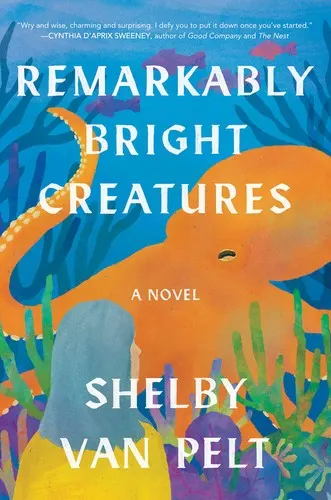 Remarkably Bright Creatures
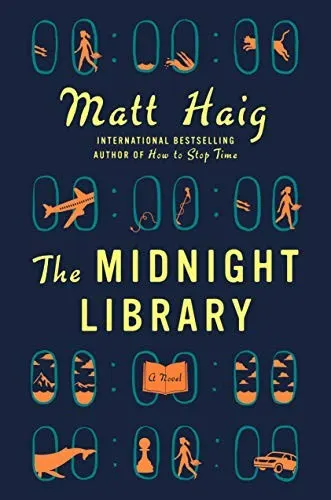 The Midnight Library
From the reading bulletin
Original discussion questions by mutuals. Browse all book guides →