Remarkably Bright Creatures Discussion Questions & Book Club Guide
by Shelby Van Pelt
Want to read Remarkably Bright Creatures with a few people nearby?
About Remarkably Bright Creatures
Tova Sullivan is a seventy-year-old widow who cleans the Sowell Bay Aquarium at night, still quietly carrying the unresolved disappearance of her teenage son Erik decades earlier. Marcellus is a giant Pacific octopus in one of those tanks — ancient, sardonic, and far more observant than anyone gives a cephalopod credit for. He narrates his own chapters, and he knows what happened to Erik. Meanwhile Cameron, a rudderless young man from California, drifts into town chasing a family connection he can barely articulate. Shelby Van Pelt’s 2022 debut braids Tova’s guarded grief with Cameron’s aimless searching and the octopus’s wry commentary until the three storylines lock together. It’s warmer than the premise suggests, and the octopus chapters are what make people stay up finishing it.
Discussion questions for Remarkably Bright Creatures
Marcellus narrates with intelligence and impatience. Did the octopus chapters work for you as genuine storytelling, or did they feel like a gimmick that happened to land? What separates a novelty narrator from one that earns its place?
Tova has spent thirty years cleaning and showing up without asking anyone for help. What does her stoicism cost her, and is the novel critical of it or does it treat self-reliance as a form of dignity?
Cameron arrives in Sowell Bay without much of a plan. At what point, if any, did you start rooting for him — and what took so long if it did?
The mystery of Erik’s disappearance is the engine of the plot. Were you satisfied by how and when the truth was revealed, or did the resolution feel too tidy for the weight it carried?
Tova’s grief has no expiration date in this book. Do you think there’s a point where people around a grieving person are right to push them forward, or is the novel arguing that grief sets its own clock?
The aquarium community — Ethan, the volunteers, the regulars — forms a quiet social fabric around Tova. How does the book use that setting to say something about where lonely people actually find belonging?
Marcellus is dying throughout the story. How does his awareness of his own limited lifespan change the way you read his observations about the humans around him?
Tova is competent, consistent, and almost entirely invisible to the people she serves. What is the novel saying about how older women are seen — or not seen — in their communities?
Cameron and Tova circle each other for most of the book without understanding the connection between them. Did the slow reveal feel earned or frustrating?
Van Pelt gives Marcellus genuine affection for Tova, not just curiosity. What does it mean that the character who sees her most clearly isn’t human?
The book is structured so that an octopus has more insight into a family’s history than any of the people involved. Is that played for irony, or is it a serious argument about the limits of human self-knowledge?
By the final pages, several characters have found something they weren’t looking for. Which ending landed hardest for you, and was there one that felt unearned?
Themes in Remarkably Bright Creatures
Grief as a room you never leave
Tova doesn’t move through stages. She moves through decades, and the grief stays in the room with her the whole time — she just learns to clean around it. The novel refuses the arc where loss resolves into acceptance on a schedule. Instead it asks what it looks like to function, even well, while carrying something that never gets lighter. For a book club, the interesting question is whether Tova’s competence is survival or avoidance, and whether the distinction matters.
Intelligence and who gets recognized for it
Marcellus is the smartest character in the book, and nobody knows. Tova is sharper than anyone around her gives her credit for. Cameron is smarter than his track record suggests. Van Pelt keeps placing intelligence in containers the world doesn’t bother to look inside — an octopus tank, an elderly janitor, a drifting twentysomething — and the plot turns on what happens when that intelligence finally gets noticed.
The invisible labor of older women
Tova cleans the aquarium. She cleaned her house, her marriage, her son’s absence. The novel pays close attention to the work older women do that holds communities together and is almost never acknowledged. It’s not angry about this the way Lessons in Chemistry is, but the observation is steady and pointed: Tova is essential and invisible, and the book wants you to notice both.
Connection across unlikely boundaries
An octopus and a widow. A grandmother and a grandson who don’t know each other. A dying creature and a woman who has already survived her worst loss. Van Pelt builds every significant relationship across a gap that should prevent it — species, generation, knowledge — and argues that connection doesn’t require shared context, just willingness to pay attention.
Suggested book club format
- Length: 368 pages, roughly seven hours of reading.
- Session count: One session works well. The book moves quickly once Cameron arrives in Sowell Bay, and the mystery pulls readers through the second half. If your group prefers two sittings, break when Cameron’s storyline intersects with the aquarium.
- Icebreaker: “Is there a place you’ve kept showing up to — a job, a routine, a building — long after the original reason was gone? What kept you going back?”
- Moderator note: Child loss and unresolved grief are central to the plot, not background detail. Name that before discussion begins. The tone stays gentle, but the subject matter is real — give people room to sit with it or step back from it.
How a real club read this
Share how your club discussed Remarkably Bright Creatures — tell us about your reading circle.
More books like Remarkably Bright Creatures
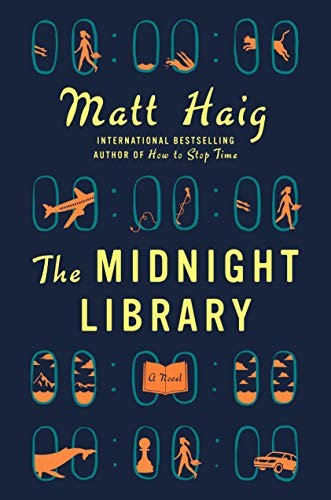
- The Midnight Library by Matt Haig — regret, second chances, and the question of which life is actually worth living. The Midnight Library discussion guide.
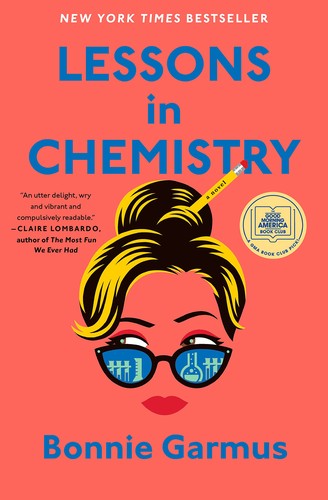
- Lessons in Chemistry by Bonnie Garmus — a woman the world refuses to take seriously, told with fury and dark comedy and a dog who narrates his own chapters. Lessons in Chemistry discussion guide.
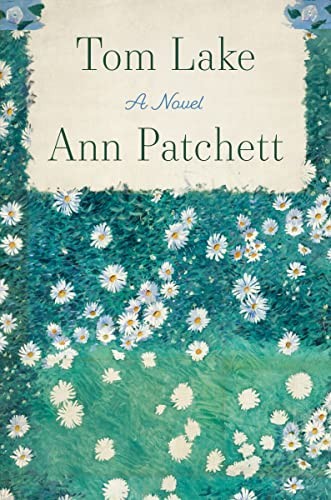
- Tom Lake by Ann Patchett — a mother’s past surfaces during a family summer, and the distance between who she was and who her daughters assumed she was drives everything. Tom Lake discussion guide.
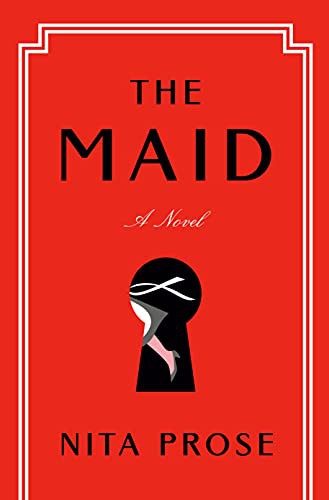
- The Maid by Nita Prose — an outsider who cleans for a living notices what everyone else misses, wrapped in a cozy mystery with real emotional stakes. The Maid discussion guide.
Read Remarkably Bright Creatures with neighbours in a Mutuals circle. Learn how to run a great reading-circle discussion. Explore more literary fiction picks for book clubs.
About Mutuals
Mutuals matches you with a handful of neighbours whose reading taste overlaps with yours into a local reading circle close to home: monthly meetups, no app fatigue. Free to sign up; you only pay $15 if a circle actually forms around you. If you want to read Remarkably Bright Creatures with people who live nearby, that’s literally what we do.
Bring Remarkably Bright Creatures to a Mutuals reading circle near you →
Imagine reading Remarkably Bright Creatures with a handful of neighbours who love it too. mutuals matches you with local readers who share your taste. Free to join, and just $15 on the day your circle forms.
Match with neighboursMore guides like this
From the blog
Discussion guide by the mutuals team. Questions are original.
More book guides