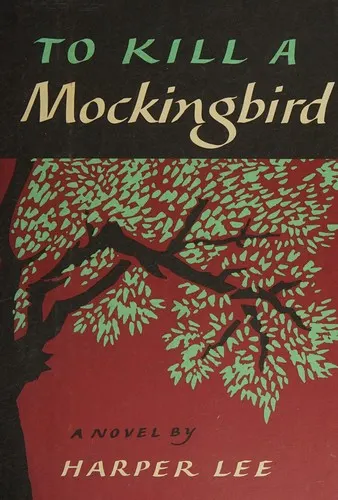
About To Kill a Mockingbird
Scout Finch is six when the story begins, in the small town of Maycomb, Alabama, during the Great Depression. She lives with her older brother, Jem, her widowed father, Atticus, a lawyer, and Calpurnia, the Black woman who cooks for the family and helps raise the children. Summers are spent with their friend Dill, daring each other to go near the house of Boo Radley, a neighbour nobody has seen in years. Then Atticus agrees to defend Tom Robinson, a Black man accused of raping a white woman, Mayella Ewell. The town turns on the Finch family, and Scout and Jem see their neighbours in a new light. Harper Lee’s only novel for over half a century, it won the Pulitzer Prize for Fiction in 1961 and has been read in schools for generations. Rereading it as an adult is a different experience. It works for book clubs because people come with memories of it from school, and because the conversation about it has changed a great deal since then.
Discussion questions for To Kill a Mockingbird
This guide assumes most members know the story. Questions 9 to 12 touch on the trial verdict and the ending.
The story is told by an adult Scout looking back on her childhood. How does that double view, a child’s eye and a grown woman’s voice, shape what we see?
If you first read this book at school, what do you remember about it? What felt different reading it now?
Atticus tells his children that you never really understand a person until you consider things from their point of view. Where in the book do characters manage this, and where do they fail?
Boo Radley is a figure of fear and fun for the children. How does their idea of him change? What does the novel say about the stories we tell about our neighbours?
Calpurnia takes Scout and Jem to her church, First Purchase. What do the children learn there? Why is it important that Calpurnia speaks differently at home and at church?
Mrs. Dubose is cruel to the children, yet Atticus calls her brave. What does courage mean in this book? Do you agree with his definition?
The town of Maycomb has strict lines of class as well as race: the Finches, the Cunninghams, the Ewells, and the Black community in the Quarters. How does Lee show those lines, and who is allowed to cross them?
Aunt Alexandra arrives to make Scout more of a lady. How does the novel treat gender and the pressure on Scout to behave a certain way?
Tom Robinson is convicted even though the evidence clearly points to his innocence. How did that scene land for you? What does it say about justice in Maycomb?
Many readers today point out that Tom Robinson and Calpurnia are seen only through white eyes, and that the story centres a white hero. How do you respond to that criticism? Does it change your view of the book?
At the end, Heck Tate decides to say that Bob Ewell fell on his own knife. Why does Atticus agree? Was it the right choice?
Scout stands on the Radley porch at the end and looks at the street from Boo’s side. Why do you think Lee ends the novel there?
Themes in To Kill a Mockingbird
Racism and the failure of justice
The trial of Tom Robinson is the heart of the book. The evidence is clear, but the verdict is never in doubt. Lee shows how a whole town, including its decent people, keeps an unjust system going. Readers today also debate the limits of the novel’s own view of race.
Growing up and losing innocence
Scout and Jem start the book playing games about Boo Radley. By the end, they have seen what adults are capable of. The novel follows that loss of innocence with honesty, and it never pretends the children come out unchanged.
What courage really looks like
Atticus taking the case, Mrs. Dubose fighting her addiction, Scout facing down a mob without knowing it: the novel keeps asking what courage means. Its answer is usually quiet, stubborn, and costly.
The mockingbird and the harmless
The title comes from Atticus telling the children that it is a sin to kill a mockingbird, a bird that does nothing but sing. Tom Robinson and Boo Radley are both, in different ways, people who did no harm and were hurt by the town. Clubs often discuss who else in the book fits that idea.
Main characters in To Kill a Mockingbird
- Jean Louise “Scout” Finch: the narrator, a sharp, stubborn girl who grows from six to about nine over the novel.
- Jem Finch: Scout’s older brother, who takes the trial’s outcome hardest.
- Atticus Finch: their father, a lawyer and state legislator who defends Tom Robinson.
- Calpurnia: the Finches’ cook and housekeeper, who helps raise the children.
- Dill Harris: the children’s summer friend, who stays with his aunt next door. He was inspired by Lee’s childhood friend Truman Capote.
- Arthur “Boo” Radley: the reclusive neighbour the children are fascinated by.
- Tom Robinson: a Black man falsely accused of raping Mayella Ewell.
- Bob Ewell: Mayella’s father, who brings the accusation.
- Mayella Ewell: the young woman at the centre of the case.
- Miss Maudie Atkinson: a kind neighbour and one of the few adults the children trust.
- Heck Tate: Maycomb’s sheriff.
- Aunt Alexandra: Atticus’s sister, who moves in to bring order to the household.
To Kill a Mockingbird ending explained (spoilers)
This section gives away the ending. Skip it if your club has not finished the book.
What happens to Tom Robinson? He is found guilty. Before an appeal can be heard, he is shot dead while trying to escape from prison.
What happens to Bob Ewell? Ewell feels humiliated by the trial and wants revenge on Atticus. On Halloween night, as Scout and Jem walk home from a school pageant in the dark, he attacks them. Jem’s arm is broken. Someone comes to their defence, and Ewell is found dead with a knife in him.
Who saves the children? Boo Radley. He carries Jem home, and Scout recognises him for the first time.
Why does Heck Tate lie? At first Atticus thinks Jem killed Ewell and insists the truth must come out. The sheriff says Ewell fell on his own knife. He believes that putting Boo, a shy and harmless man, through public attention would be like killing a mockingbird. Atticus accepts this, and Scout understands why.
The final scene. Scout walks Boo home. Standing on his porch, she sees the street from his side and imagines how the children looked to him over the years.
Suggested book club format
- Length: About 320 pages, roughly eight hours of reading.
- Session count: One session. If you want two, read Part One first (childhood and Boo Radley) and Part Two (the trial and after) for the second meeting.
- Icebreaker: “Did you read this book at school? What do you remember about the first time?”
- Moderator note: The book uses racist slurs and depicts racism, a false rape accusation, mob violence, and an attack on children. Some members may find a white-centred story about racism frustrating. That reaction is part of the conversation, so make room for it.
How a real club read this
Share how your circle discussed To Kill a Mockingbird: tell us about your reading circle.
More books like To Kill a Mockingbird
- James by Percival Everett: an American classic told again from the side of the Black man the original only looked at from outside. James discussion guide.
- The Book Thief by Markus Zusak: a young girl’s view of a town where neighbours turn on each other, and of the people who stay decent. The Book Thief discussion guide.
- The Vanishing Half by Brit Bennett: race, a small Southern town, and the lines people draw and cross across generations. The Vanishing Half discussion guide.
- Where the Crawdads Sing by Delia Owens: a small-town trial where the accused is judged long before the verdict. Where the Crawdads Sing discussion guide.
Read To Kill a Mockingbird with neighbours in a Mutuals circle. Learn how to run a great reading-circle discussion. Explore more discussion guides for book-club picks.
About Mutuals
Mutuals matches you with a handful of neighbours whose reading taste overlaps with yours into a local reading circle close to home: monthly meetups, no app fatigue. Free to join. $15 only when we find your circle. If you want to reread To Kill a Mockingbird as an adult with people who live nearby, that is exactly what we do.
Bring To Kill a Mockingbird to a Mutuals reading circle near you →
Turn the next chapter into a plan
Find a few nearby readers who share your taste. Free to sign up; $15 when you join your matched circle.
Also on the shelf
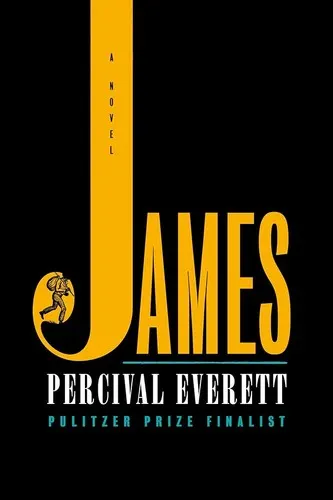 James
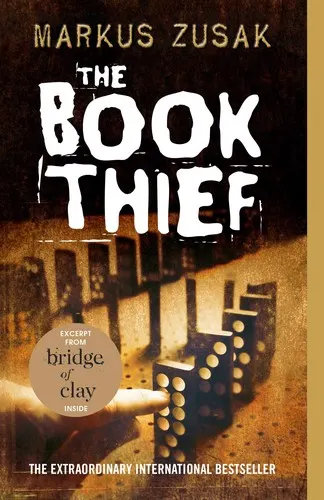 The Book Thief
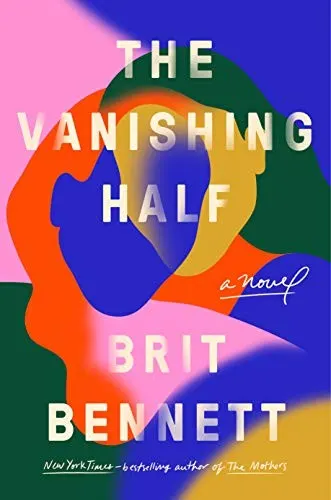 The Vanishing Half
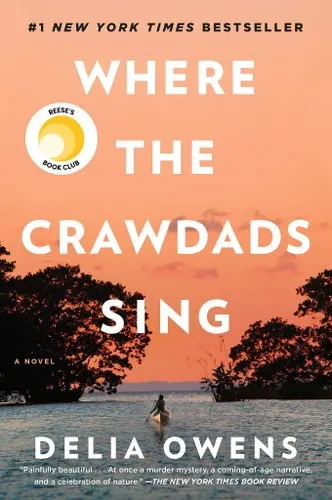 Where the Crawdads Sing
From the reading bulletin
Original discussion questions by mutuals. Browse all book guides →