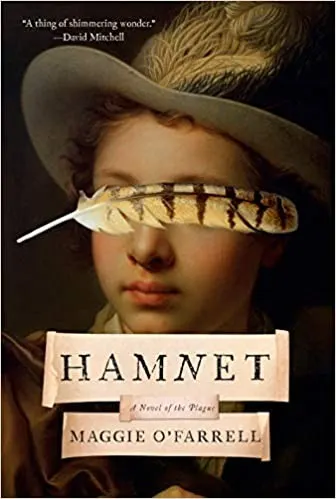
About Hamnet
In 1596, in a Warwickshire market town, an eleven-year-old boy runs through his family’s house looking for help. His twin sister, Judith, has suddenly fallen ill, and none of the adults are home. The boy is Hamnet, the only son of William Shakespeare, who died that year. Very little is known about him, and Maggie O’Farrell builds a novel around that silence. Shakespeare himself is never named. He is the Latin tutor, the husband, the father who works in London. The real centre of the book is his wife, Agnes, better known to history as Anne Hathaway. Here she is a healer who grows herbs, keeps a kestrel, and sees more about people than they would like. The novel moves between the day of Judith’s illness and the story of Agnes’s courtship and marriage. It is a book about a family’s grief, and about how art can come out of a loss. Hamnet won the 2020 Women’s Prize for Fiction, and it was made into a film in 2025. Clubs find it one of the most moving books they read.
Discussion questions for Hamnet
O’Farrell never uses Shakespeare’s name. Why do you think she made that choice? How did it change the way you saw him?
Agnes is usually remembered as Anne Hathaway, the older wife Shakespeare left behind. How does O’Farrell’s version of her challenge that picture?
Agnes has a gift for seeing what people need, or what will happen to them. How did you read her gift? Is it magic, intuition, or simply close attention?
The novel moves between two timelines: the day of Judith’s illness and the years of Agnes’s courtship and marriage. How did the structure build tension? Which timeline did you prefer?
One chapter follows the journey of a flea across the world to Warwickshire. Why do you think O’Farrell included it? How did it affect the way you thought about chance and fate?
Hamnet and Judith are twins who often swap places as a game. How does that bond shape the story?
Agnes’s husband spends most of the year in London. What does the novel suggest about the cost of his ambition, to him and to the family he leaves at home?
The husband’s father is a violent man. How does that history shape the son, and the father he becomes?
The novel shows grief in very different ways in Agnes, her husband, and their daughters. Which portrait of grief felt most true to you?
Agnes is deeply connected to the land, to plants, and to animals. How does O’Farrell use the natural world to tell her story?
The final section takes Agnes to London. What did you feel during those last scenes? What does she come to understand about her husband?
The book ends with the idea that art can hold what a person has lost. Do you agree? Can making something out of grief be a way of keeping someone alive?
Themes in Hamnet
Grief inside a family
The death of a child is at the heart of the book. O’Farrell shows how one loss splits a family. Agnes, her husband, and their daughters each grieve in their own way, and their ways do not always fit together. The book is honest about how grief can push people apart even when they love each other.
A woman restored to her own story
History remembers Anne Hathaway mainly as a name in Shakespeare’s biography. O’Farrell gives Agnes an inner life, skills, a temper, and a way of seeing the world. She is the book’s real hero, and the novel quietly asks how many other women have been reduced to footnotes in the stories of famous men.
Art and loss
The novel suggests that great art can come from private pain. Readers who know Shakespeare will feel the connection long before Agnes does. The book asks what it means to turn a loss into something public, and whether doing so is a betrayal or an act of love.
The natural world
Agnes reads the land like a book. Plants, bees, apples, and her kestrel all carry meaning. O’Farrell’s descriptions of nature are some of the most beautiful passages in the book, and they set Agnes apart from the town and its rules.
Main characters in Hamnet
- Agnes: Shakespeare’s wife, a healer and herbalist with an unusual gift for seeing into people.
- The husband: Shakespeare, never named. He meets Agnes as a young Latin tutor and later works in the London theatre.
- Hamnet: Agnes’s son, eleven years old in 1596, and Judith’s twin.
- Judith: Hamnet’s twin sister, who falls ill at the start of the novel.
- Susanna: the eldest child, sharp and watchful.
- Mary: the husband’s mother, who shares the household with Agnes.
- Bartholomew: Agnes’s brother, steady and loyal to her.
Hamnet ending explained (spoilers)
This section gives away the ending. Skip it if your club has not finished the book.
Judith survives the plague. Hamnet does not. The novel suggests that Hamnet, in a way, takes his sister’s place: the twins had always played at swapping, and death takes him instead of her. His father does not reach home in time.
Agnes and her husband grieve apart. He goes back to London, and she cannot forgive him for leaving. Years later, Agnes learns that he has written a play called Hamlet, a name that, at the time, could be used for Hamnet. Feeling betrayed that he would use their son’s name, she travels to London with her brother to see it.
In the theatre, Agnes realises what her husband has done. He plays the ghost of the dead father, and the young prince carries their son’s name. In the play, the father has died and the son lives. Agnes understands that he has given Hamnet a kind of life, and taken his death on himself. The book ends there, in the theatre, with Agnes watching her son’s name come back to life.
Suggested book club format
- Length: About 370 pages, roughly ten hours of reading.
- Session count: One session works for most circles. For two, break after the flea chapter, so the second meeting can focus on grief and the ending in London.
- Icebreaker: “What do you know, or think you know, about Shakespeare’s family? Where did that picture come from?”
- Moderator note: The death of a child is central, and it is described closely. Some members may have their own experiences of child loss or serious illness. Name the subject when you choose the book, so no one is caught off guard.
How a real club read this
Share how your circle discussed Hamnet: tell us about your reading circle.
More books like Hamnet
- The Marriage Portrait by Maggie O’Farrell: O’Farrell’s next novel, giving another young woman from history the inner life she was denied. The Marriage Portrait discussion guide.
- Circe by Madeline Miller: a woman who works with herbs and transformations, told at last from her own point of view. Circe discussion guide.
- Tom Lake by Ann Patchett: theatre, family, and a mother’s story told to her daughters many years later. Tom Lake discussion guide.
- Weyward by Emilia Hart: women with a deep bond to the natural world, called witches by those who fear them. Weyward discussion guide.
Read Hamnet with neighbours in a Mutuals circle. Learn how to run a great reading-circle discussion. Explore more historical fiction picks for book clubs.
About Mutuals
Mutuals matches you with a handful of neighbours whose reading taste overlaps with yours into a local reading circle close to home: monthly meetups, no app fatigue. Free to join. $15 only when we find your circle. If you want to read Hamnet with people who live nearby, that is exactly what we do.
Turn the next chapter into a plan
Find a few nearby readers who share your taste. Free to sign up; $15 when you join your matched circle.
Also on the shelf
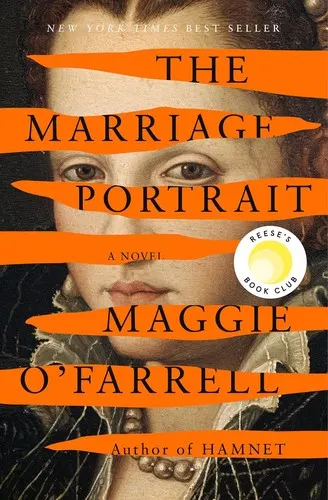 The Marriage Portrait
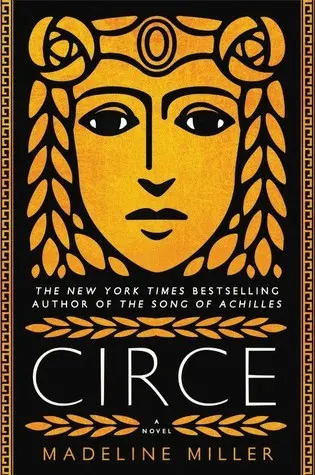 Circe
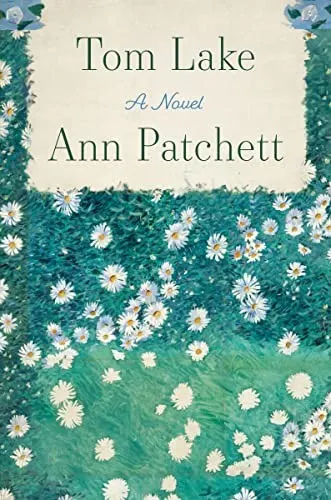 Tom Lake
 Weyward
From the reading bulletin
Original discussion questions by mutuals. Browse all book guides →