Tom Lake Discussion Questions & Book Club Guide
by Ann Patchett
Want to read Tom Lake with a few people nearby?
About Tom Lake
During the pandemic, Lara picks cherries on her family’s Michigan farm alongside her three adult daughters while telling them the story of her long-ago summer at Tom Lake, a regional theater where she fell for the actor who went on to become famous. Ann Patchett’s 2023 novel reworks Thornton Wilder’s Our Town — quietly, without announcing it — into a meditation on which version of your life was the real one. The cherry harvest keeps moving; the past keeps shifting in the retelling. Patchett’s restraint is the engine: she withholds drama and trusts the reader to feel what’s underneath. It’s the rare novel that makes you want to call your mother after you finish it.
Discussion questions for Tom Lake
Lara is telling her own story, which means she controls what her daughters hear. At which points did you suspect she was editing — and did you trust her more or less as the novel went on?
Each daughter responds to the story differently. Emily wants the romance, Nell wants the facts, Mara holds back. What does each reaction reveal about who they are now rather than about Lara’s past?
The pandemic forces the family onto the farm together. How does that confinement shape the storytelling — would Lara have told this story under any other circumstances?
Our Town runs beneath the surface of the novel without Patchett ever making it a gimmick. If you’ve read or seen Wilder’s play, where did the parallels land hardest? If you haven’t, did you feel something structuring the story that you couldn’t quite name?
Lara chose the farm — and Joe — over a life in theater. Does the novel present that as a sacrifice, a relief, or something that resists either word?
Peter Duke becomes famous after Tom Lake. Lara doesn’t. How does the book handle the gap between the person who stayed ordinary and the person who didn’t — and whose life does it seem to envy, if either?
Patchett writes first love as something vivid but also slightly embarrassing in retrospect. Did that match your own experience, or did you want the novel to take the young romance more seriously?
The cherry harvest is physically demanding, repetitive, and seasonal. Why does Patchett anchor the entire novel in that labor, and what does picking fruit have to do with remembering?
Lara’s daughters know her as their mother. The story she tells introduces a version of herself they’ve never met. Which daughter seems most changed by that introduction, and why?
The novel is notably quiet — no betrayals, no twists, no violence. Did that restraint feel like a strength or did you ever want Patchett to push harder?
Memory in this book is unreliable but not dishonest. How does the novel distinguish between forgetting and lying — and does it think the difference matters?
By the last pages, Lara is back in the present, on the farm, with the cherries. What has the act of telling the story actually done — for her, and for her daughters?
Themes in Tom Lake
Memory and the stories we edit
Lara’s account of Tom Lake isn’t a transcript; it’s a construction. She chooses what to include, what to soften, and what to leave out entirely. Patchett treats this not as a flaw but as the basic condition of remembering — every story about your past is also a story about who you’ve decided to be now. The daughters sense the gaps, and the novel lives in the space between what happened and what gets said.
The life you chose versus the life you didn’t
Lara could have stayed in theater. She could have followed Peter Duke into a larger, louder existence. Instead she married a farmer and picked cherries. Patchett refuses to frame this as either tragedy or triumph. The novel’s central argument is that the unlived life looks romantic only from a distance, and that the lived one — ordinary, repetitive, rooted — contains more than it appears to from the outside.
Mothers and the selves they were before motherhood
The daughters have never thought of Lara as someone who once stood on a stage and was desired and reckless. The act of telling collapses the distance between “our mother” and “this young woman,” and the discomfort of that collapse drives half the novel’s emotional tension. Patchett is interested in what children lose when they can’t imagine their parents as full, separate people.
Ordinary life as the extraordinary thing
This is the Our Town inheritance. The daily — cherries, meals, weather, the same farm in the same county — is what the novel quietly insists is worth your attention. Patchett doesn’t argue this in a speech; she argues it by structure, by keeping the reader inside the harvest until the repetition itself becomes moving. The extraordinary isn’t elsewhere. It’s the fact that you were here at all.
Suggested book club format
- Length: 320 pages, roughly six to seven hours of reading.
- Session count: One session. The novel moves at a steady, conversational pace that holds together better discussed whole than split.
- Icebreaker: “What’s a version of yourself — a phase, a relationship, an ambition — that your family has never really seen or heard about?”
- Moderator note: This is a gentle read, but the pandemic framing is not decorative. For readers who experienced isolation, loss, or family tension during 2020-2021, the setting may trigger strong feelings. Name that early and let people opt out of the pandemic-specific questions if they need to.
How a real club read this
Share how your club discussed Tom Lake — tell us about your reading circle.
More books like Tom Lake
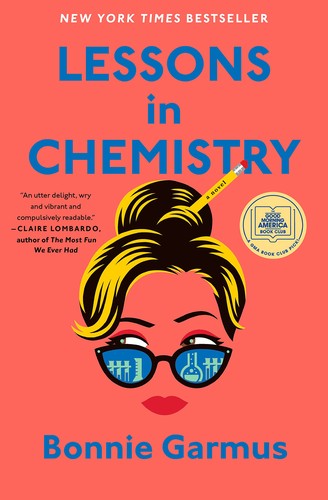
- Lessons in Chemistry by Bonnie Garmus — a woman who refuses to be smaller than she is, told with dark humor and real fury about what the world costs women who don’t perform modesty. Lessons in Chemistry discussion guide.
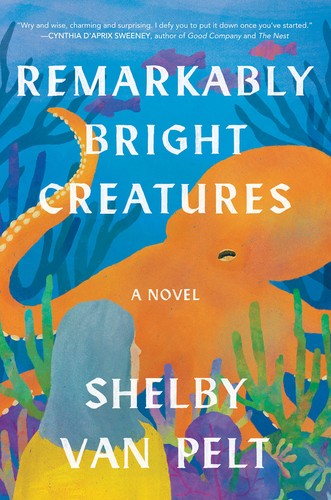
- Remarkably Bright Creatures by Shelby Van Pelt — grief, unlikely connection, and a narrator (an octopus) who sees humans more clearly than they see themselves. Remarkably Bright Creatures discussion guide.
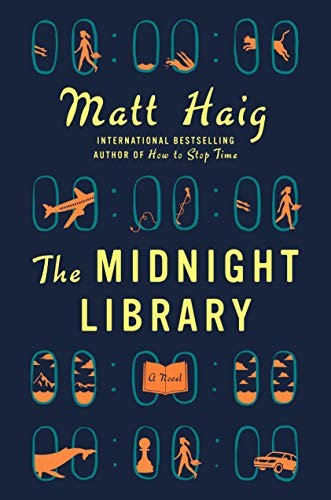
- The Midnight Library by Matt Haig — parallel lives and the question of whether the path you took was the right one, played as a gentler existential fable. The Midnight Library discussion guide.
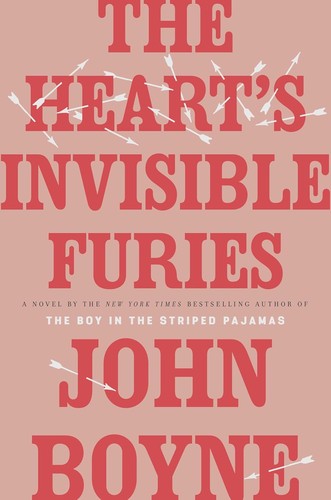
- The Heart’s Invisible Furies by John Boyne — an entire life told in decades, driven by the tension between the self you were born as and the self the world will permit. The Heart’s Invisible Furies discussion guide.
Read Tom Lake with neighbours in a Mutuals circle. Learn how to run a great reading-circle discussion. Explore more literary fiction picks for book clubs.
About Mutuals
Mutuals matches you with a handful of neighbours whose reading taste overlaps with yours into a local reading circle close to home: monthly meetups, no app fatigue. Free to sign up; you only pay $15 if a circle actually forms around you. If you want to read Tom Lake with people who live nearby, that’s literally what we do.
Imagine reading Tom Lake with a handful of neighbours who love it too. mutuals matches you with local readers who share your taste. Free to join, and just $15 on the day your circle forms.
Match with neighboursMore guides like this
From the blog
Discussion guide by the mutuals team. Questions are original.
More book guides