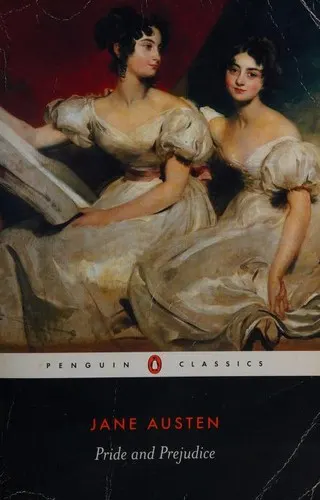
About Pride and Prejudice
The Bennets have five daughters and no son, which is a problem. Their house, Longbourn, in Hertfordshire, is entailed away to a male cousin, so when Mr. Bennet dies, his wife and daughters will lose their home. Mrs. Bennet’s mission is to marry the girls off, and the arrival of a rich young man, Mr. Bingley, at nearby Netherfield seems like a gift. Bingley brings his friend Mr. Darcy, who is even richer and much ruder. At a local ball he refuses to dance with Elizabeth Bennet, the second daughter, and she overhears him dismiss her. From that first meeting, Elizabeth decides who Darcy is. Jane Austen published the novel in 1813, and it has been adapted for film and television many times since. It is funny, sharp about money, and kinder than its reputation. It works for book clubs because everyone thinks they know the story, and rereading it shows how much of it is about getting other people wrong.
Discussion questions for Pride and Prejudice
Most members will know the plot. Questions 8 to 12 touch on events from the second half.
The novel opens with the Bennet family’s money problem: the entail. How much of the plot is driven by money? Did you notice it more on this reading than you remember?
Elizabeth decides who Darcy is at the first ball. What made her so certain? Have you ever formed a first impression that turned out to be wrong?
Mrs. Bennet is often played for laughs. Given the family’s situation, is she foolish, or is she the only one taking the danger seriously?
Mr. Bennet is witty and detached. He hides in his library while his family struggles. Is he a good father? What does his marriage say about choosing a partner for the wrong reasons?
Charlotte Lucas accepts Mr. Collins because she is twenty-seven and has few options. Elizabeth is shocked. Who do you agree with, and why?
Jane is gentle and always thinks the best of people. Elizabeth sees through people, or thinks she does. Which sister’s way of seeing the world serves her better?
Wickham charms Elizabeth with his story about Darcy. Why does she believe him so easily? What does it say about how we choose whose version to trust?
Darcy’s first proposal goes very badly. What does each of them get wrong in that scene? Whose argument did you find stronger?
Darcy’s letter changes everything for Elizabeth. Why does reading it, rather than hearing it, make such a difference?
Elizabeth’s visit to Pemberley shows her a different side of Darcy. How much is she moved by the man, and how much by the house? Does it matter?
Lydia’s elopement with Wickham threatens the whole family’s reputation. What does that tell you about how much a woman’s choices affected her sisters in this world?
Lady Catherine tries to stop Elizabeth from marrying Darcy. Why is Elizabeth’s answer to her such a satisfying scene? What has Elizabeth learned by that point?
Themes in Pride and Prejudice
Marriage as a matter of money
For the Bennet sisters, marriage is not just about love. It is about where they will live and whether they will be poor. Austen is clear-eyed about this. Charlotte’s choice, Lydia’s disaster, and Elizabeth’s refusal of two proposals all show what was at stake for women with no income of their own.
First impressions and second thoughts
Austen’s working title for the book was First Impressions. Elizabeth and Darcy both judge too fast, and both have to admit they were wrong. The novel is a careful study of how pride and prejudice shape what we see in other people, and of how hard it is to change our minds.
Class and manners
Darcy looks down on the Bennets’ relatives in trade and on Mrs. Bennet’s behaviour in public. Lady Catherine thinks rank gives her the right to run other people’s lives. The novel questions whether good breeding and good character have anything to do with each other.
Family and reputation
One sister’s behaviour can ruin all the others. The Bennet daughters are bound together by their parents’ choices and each other’s. Austen shows a family that is loving, embarrassing, and inescapable.
Main characters in Pride and Prejudice
- Elizabeth Bennet: the second of five daughters, quick-witted and proud of her judgement.
- Fitzwilliam Darcy: a wealthy gentleman, owner of Pemberley in Derbyshire, reserved and proud.
- Jane Bennet: the eldest Bennet sister, beautiful, kind, and slow to think ill of anyone.
- Charles Bingley: Darcy’s friend, a cheerful, wealthy young man who rents Netherfield.
- Mr. Bennet: the girls’ father, clever and sarcastic, and largely absent from family duties.
- Mrs. Bennet: the girls’ mother, anxious to see them married.
- Lydia Bennet: the youngest sister, flirtatious and reckless.
- Mary and Kitty Bennet: the middle sisters. Mary is serious and bookish. Kitty follows Lydia’s lead.
- George Wickham: a charming militia officer with a grudge against Darcy.
- Mr. Collins: the Bennets’ cousin, a clergyman who will inherit Longbourn.
- Charlotte Lucas: Elizabeth’s close friend.
- Lady Catherine de Bourgh: Darcy’s aunt and Mr. Collins’s patroness.
- Caroline Bingley: Bingley’s sister, who wants Darcy for herself.
- Mr. and Mrs. Gardiner: Mrs. Bennet’s brother and his wife, sensible relatives in trade.
Pride and Prejudice ending explained (spoilers)
This section gives away the ending. Skip it if you have somehow avoided it.
How does Darcy win Elizabeth? After Lydia runs off with Wickham, Darcy quietly finds them in London and pays Wickham to marry her, which saves the family’s reputation. He asks that his part be kept secret. Elizabeth learns of it anyway, through Lydia’s slip and a letter from Mrs. Gardiner.
What happens to Jane and Bingley? Darcy admits he was wrong to steer Bingley away from Jane. Bingley returns to Netherfield and proposes, and Jane accepts.
How does it end? Lady Catherine’s attempt to stop the match only gives Darcy hope. He proposes again, and this time Elizabeth accepts. The final chapter shows the couples settled, and Darcy and Elizabeth close to the Gardiners, the relatives in trade he once looked down on.
Suggested book club format
- Length: About 380 pages in most editions, roughly ten hours of reading.
- Session count: Two sessions work well. Break after Darcy’s letter, which falls about halfway, and save Pemberley and the ending for the second meeting.
- Icebreaker: “Which adaptation did you see first, and did it shape how you pictured Darcy and Elizabeth?”
- Moderator note: The language takes a few chapters to settle into. Suggest members push past the first fifty pages. A family tree of the Bennets and their relations helps first-time readers.
How a real club read this
Share how your circle discussed Pride and Prejudice: tell us about your reading circle.
More books like Pride and Prejudice
- Normal People by Sally Rooney: two clever young people from different classes who keep misreading each other. Normal People discussion guide.
- The Marriage Portrait by Maggie O’Farrell: a young woman married for her family’s advantage, in a world where a wife’s future is not her own. The Marriage Portrait discussion guide.
- A Gentleman in Moscow by Amor Towles: wit, manners, and a hero who refuses to let his circumstances make him coarse. A Gentleman in Moscow discussion guide.
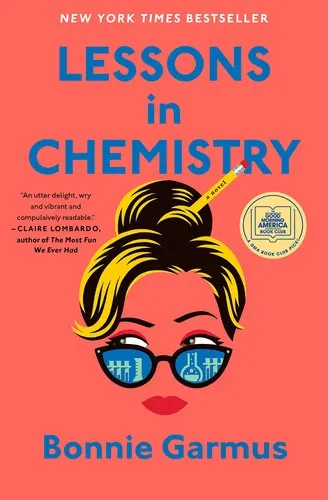
- Lessons in Chemistry by Bonnie Garmus: a sharp-tongued heroine who refuses the role society hands her, with plenty of comedy. Lessons in Chemistry discussion guide.
Read Pride and Prejudice with neighbours in a Mutuals circle. Learn how to run a great reading-circle discussion. Explore more discussion guides for book-club picks.
About Mutuals
Mutuals matches you with a handful of neighbours whose reading taste overlaps with yours into a local reading circle close to home: monthly meetups, no app fatigue. Free to join. $15 only when we find your circle. If you want to reread Pride and Prejudice with people who live nearby and argue about Darcy, that is exactly what we do.
Bring Pride and Prejudice to a Mutuals reading circle near you →
Turn the next chapter into a plan
Find a few nearby readers who share your taste. Free to sign up; $15 when you join your matched circle.
Also on the shelf
 Normal People
 The Marriage Portrait
 A Gentleman in Moscow
 Lessons in Chemistry
From the reading bulletin
Original discussion questions by mutuals. Browse all book guides →