Lessons in Chemistry Discussion Questions & Book Club Guide
by Bonnie Garmus
Want to read Lessons in Chemistry with a few people nearby?
About Lessons in Chemistry
Elizabeth Zott is a chemist in the early 1960s who keeps getting punished for being competent. After losing her research position and the man she loved, she ends up hosting a cooking show called Supper at Six — where she teaches housewives organic chemistry alongside casserole recipes. The audience gets smarter. The network gets nervous. Bonnie Garmus’s 2022 debut is funny and furious in roughly equal measure, built around a woman who refuses to shrink and a world that keeps demanding she does. It’s also a novel about grief, about raising a daughter who asks hard questions, and about a dog named Six-Thirty who narrates his own chapters. Book clubs fight over this one — the comedy disarms people, and then the anger underneath it starts a real conversation.
Discussion questions for Lessons in Chemistry
Elizabeth insists she is not a feminist — she just wants to do her work. Does the novel agree with her, or does it quietly argue that the distinction doesn’t hold?
Calvin Evans is brilliant but also genuinely decent to Elizabeth in ways the other men around her are not. What does the book gain by killing him off when it does, and what would collapse if he’d survived?
Supper at Six succeeds because Elizabeth talks to women like they’re intelligent. Why is that framed as radical? Has anything actually changed since the 1960s in how women are addressed on television?
Six-Thirty’s chapters give us an animal perspective on human behaviour. Did you find those sections charming, annoying, or doing something more serious than either?
Madeline is reading at a college level before she starts school. How does Elizabeth’s parenting — treating a child like a peer — come across to you? Is it aspirational or a kind of neglect dressed up as respect?
Harriet Sloane steps in as a surrogate family for Elizabeth and Madeline. What does the novel say about who actually raises children versus who gets credit for it?
The men who steal Elizabeth’s work face almost no consequences in the story. Is Garmus being realistic or making a point by refusing to deliver the comeuppance readers want?
Elizabeth’s rape is mentioned but not dwelt on. How does the novel handle sexual violence — with restraint, with avoidance, or something in between?
The cooking show becomes a vehicle for women to change their lives. Do you find that plausible, or is it the novel’s most wishful stretch?
Religion takes several hits in this book, especially through the character of Reverend Wakely. What role does faith play, and is Garmus fair to it?
Elizabeth refuses to soften her language, her posture, or her expectations. Was there a moment where you wanted her to bend — and what does that impulse say about what we expect from women in stories?
The novel is set in the 1960s but was published in 2022. Which parts felt like period commentary and which felt aimed directly at the present?
By the end, Elizabeth has a family, professional respect, and her research. Is the ending earned, or does Garmus give her character a neater resolution than the world of the book would actually allow?
If your book club had to cook a dish inspired by this novel, what would it be — and would you use Elizabeth’s approach or just follow a normal recipe?
Themes in Lessons in Chemistry
Sexism as infrastructure, not incident
The novel doesn’t rely on a single villain. Elizabeth’s exclusion is systemic — built into hiring practices, lab protocols, publication norms, and casual conversation. Garmus stacks small indignities until the weight becomes undeniable, which mirrors how institutional sexism actually operates rather than how fiction usually dramatizes it.
Ambition without apology
Elizabeth never frames her desire to do research as a favour she’s asking. She treats it as a fact. The book is interested in what happens when a woman’s ambition isn’t performed humbly — when she doesn’t soften the ask — and the cost is measured in lost positions, stolen credit, and social isolation.
Motherhood as chemistry
Garmus draws a direct line between Elizabeth’s scientific mind and how she parents Madeline. Raising a child becomes another experiment: controlled conditions, honest data, no patronizing shortcuts. The result is a kid who’s brilliant and lonely, which the novel treats as both a success and a warning.
Science as a language for living
Chemistry in this book is never just a job. Elizabeth uses it to explain grief, cooking, courage, and love. The metaphor works because Garmus commits to it — bonds, reactions, and catalysts become a vocabulary for emotional life that feels specific rather than decorative.
Resilience versus the expectation of resilience
Elizabeth survives everything the world throws at her, but the book is careful not to celebrate that as aspirational. It keeps asking why she had to be this tough in the first place, and whether the expectation that women endure gracefully is itself a form of violence.
Suggested book club format
- Length: 400 pages, roughly eight to nine hours of reading.
- Session count: Two sessions recommended. Break after Chapter 25 (around the launch of Supper at Six), which shifts the novel’s gear from personal loss to public life.
- Icebreaker: “What’s something you’re good at that people have been weirdly resistant to letting you do?”
- Moderator note: The book deals with sexual assault, miscarriage, and institutional sexism. It handles them with dark humour rather than graphic detail, but flag the topics early so no one is caught off guard. The tone stays wry — let the discussion match it.
How a real club read this
Share how your club discussed Lessons in Chemistry — tell us about your reading circle.
More books like Lessons in Chemistry
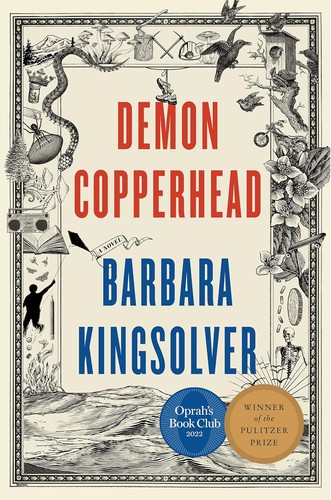
- Demon Copperhead by Barbara Kingsolver — poverty and systemic failure in Appalachia, told with the same furious compassion Garmus brings to the lab. Demon Copperhead discussion guide.
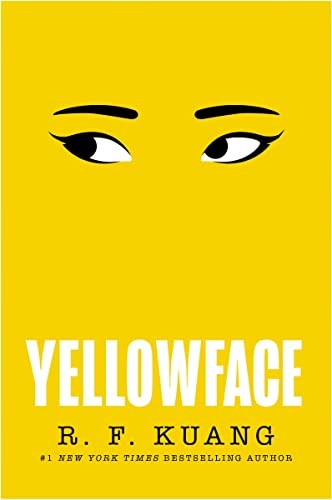
- Yellowface by R.F. Kuang — who gets credit for whose work, played as literary satire with real teeth. Yellowface discussion guide.
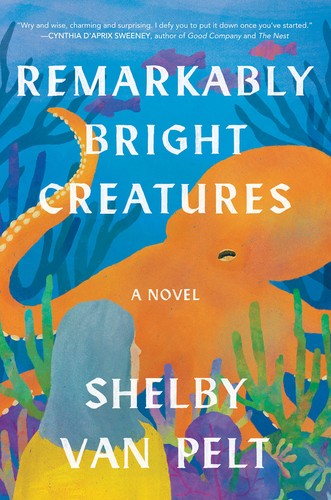
- Remarkably Bright Creatures by Shelby Van Pelt — grief, unlikely connection, and a narrator (an octopus) who sees humans more clearly than they see themselves. Remarkably Bright Creatures discussion guide.
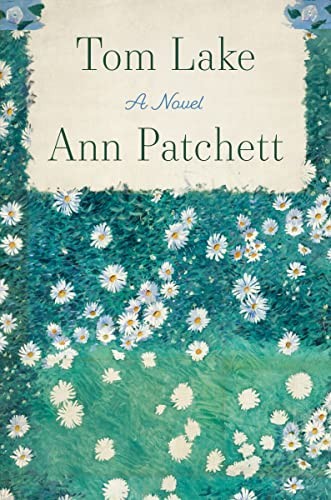
- Tom Lake by Ann Patchett — a mother tells her daughters the story of her younger self, and the gap between who she was and who they assumed she was drives the whole novel. Tom Lake discussion guide.
Read Lessons in Chemistry with neighbours in a Mutuals circle. Learn how to run a great reading-circle discussion. Explore more literary fiction picks for book clubs.
About Mutuals
Mutuals matches you with a handful of neighbours whose reading taste overlaps with yours into a local reading circle close to home: monthly meetups, no app fatigue. Free to sign up; you only pay $15 if a circle actually forms around you. If you want to read Lessons in Chemistry with people who live nearby, that’s literally what we do.
Bring Lessons in Chemistry to a Mutuals reading circle near you →
Imagine reading Lessons in Chemistry with a handful of neighbours who love it too. mutuals matches you with local readers who share your taste. Free to join, and just $15 on the day your circle forms.
Match with neighboursMore guides like this
From the blog
Discussion guide by the mutuals team. Questions are original.
More book guides