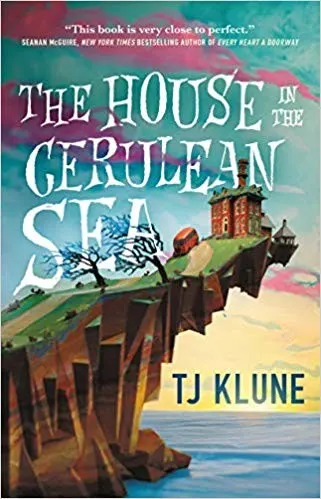
About The House in the Cerulean Sea
Linus Baker is forty, lives alone with a grumpy cat, and works as a caseworker for the Department in Charge of Magical Youth. His job is to inspect government orphanages for magical children and write careful, rule-bound reports. He has done it for years in a grey, rainy city. Then Extremely Upper Management gives him a secret assignment: spend a month on Marsyas Island and report on an orphanage where six unusual children live under the care of a man named Arthur Parnassus. One of the children is Lucy, a six-year-old who happens to be the Antichrist. The others include a gnome, a wyvern, a forest sprite, a shapeshifter, and a green blob who dreams of being a bellhop. Linus arrives determined to stay neutral. He does not stay neutral for long. TJ Klune’s novel is warm, funny, and openly sentimental, and it became a word-of-mouth favourite. It works for book clubs because it is easy to love, and also because it raises real questions about who gets to decide which children are dangerous.
Discussion questions for The House in the Cerulean Sea
Linus lives by the rules in a thick book of regulations. What does that book give him, and what does it cost him? When did you first see him bend?
The city where Linus lives is grey and wet. The island is bright and full of colour. How does Klune use setting to show the change happening inside Linus?
Each child on the island has been labelled by the government before anyone gets to know them. Which child changed the most in your eyes once you saw them through Linus?
Lucy is the Antichrist, and he is also a six-year-old who loves old records. How does the novel play with our fear of him? Did it work for you?
Chauncey wants to be a bellhop more than anything. Why do you think such a small, ordinary dream is so moving in this book?
The people in the village near the island are afraid of the children. Where did their fear remind you of real prejudice you have seen or felt?
Arthur Parnassus protects the children fiercely. What do we learn about why he cares so much, and how does his own past shape the home he has built?
Linus writes weekly reports to the Department. How do his reports change over the month? What does the novel say about the gap between official records and real people?
The romance between Linus and Arthur grows slowly and gently. How did it compare with other love stories you have read? Did the slow pace suit the book?
Klune has said he was moved to write the book after reading about the Sixties Scoop, when many Indigenous children in Canada were taken from their families. Some readers have questioned whether a light, magical story can carry that history. What do you think?
Is this book for adults, for younger readers, or for both? What did it give you that a darker novel might not?
By the end, what does “home” mean to Linus? Has your own idea of home changed over your life?
Themes in The House in the Cerulean Sea
Found family
None of the children on Marsyas Island were wanted by the system that placed them there. Together with Arthur, Zoe, and finally Linus, they build a family out of choice and daily care: meals, lessons, picnics, bedtime. The novel treats this kind of family as just as real as any other.
Prejudice and fear of the “other”
The government registers magical children and keeps them apart. The villagers fear them without ever meeting them. Klune shows how fear grows from distance and labels, and how it shrinks when people actually spend time together.
Rules versus people
Linus starts the book believing that rules keep everyone safe. Over the month, he sees how rules can also hurt the people they are meant to protect. The novel asks when it is right to follow the rules and when it is right to stand up to them.
Kindness as a quiet kind of courage
Nobody in this book wins by force. They win by being kind, patient, and stubborn about seeing the good in others. For some readers this is the book’s great comfort. For others it feels too soft. It is worth asking your club which camp they are in.
Main characters in The House in the Cerulean Sea
- Linus Baker: a forty-year-old caseworker for the Department in Charge of Magical Youth, sent to inspect the orphanage on Marsyas Island.
- Arthur Parnassus: the gentle, mysterious master of the orphanage.
- Lucy: a six-year-old boy who is the Antichrist, and who loves music.
- Talia: a gnome who tends the garden and is fierce about it.
- Theodore: a wyvern who collects treasures, especially buttons.
- Phee: a forest sprite who can make things grow.
- Sal: a quiet boy who can change into a small dog and has been moved between many homes.
- Chauncey: a green blob-like creature whose dream is to be a bellhop.
- Zoe Chapelwhite: an island sprite who lives on Marsyas and helps care for the children.
Suggested book club format
- Length: About 400 pages, roughly nine hours of reading.
- Session count: One session works for most circles. The book is light and quick to read.
- Icebreaker: “If a government caseworker came to write a report on your home, what would they get wrong about you?”
- Moderator note: The book is gentle, with no graphic content. Do make room for the real-world question about the Sixties Scoop, especially in Canada. Some members may have family history connected to it. Let people speak to it as much or as little as they choose.
How a real club read this
Share how your circle discussed The House in the Cerulean Sea: tell us about your reading circle.
More books like The House in the Cerulean Sea
- Fourth Wing by Rebecca Yarros: another fantasy world with a romance at its centre, though much darker and faster. Fourth Wing discussion guide.
- A Man Called Ove by Fredrik Backman: a rule-bound loner slowly opened up by the people around him. A Man Called Ove discussion guide.
- Eleanor Oliphant Is Completely Fine by Gail Honeyman: a lonely creature of habit who learns, slowly, to let people in. Eleanor Oliphant Is Completely Fine discussion guide.
- Remarkably Bright Creatures by Shelby Van Pelt: a warm, gentle story about an unlikely friendship and the families we make. Remarkably Bright Creatures discussion guide.
Read The House in the Cerulean Sea with neighbours in a Mutuals circle. Learn how to run a great reading-circle discussion. Explore more fantasy picks for book clubs.
About Mutuals
Mutuals matches you with a handful of neighbours whose reading taste overlaps with yours into a local reading circle close to home: monthly meetups, no app fatigue. Free to join. $15 only when we find your circle. If you want to read The House in the Cerulean Sea with people who live nearby, that is exactly what we do.
Bring The House in the Cerulean Sea to a Mutuals reading circle near you →
Turn the next chapter into a plan
Find a few nearby readers who share your taste. Free to sign up; $15 when you join your matched circle.
Also on the shelf
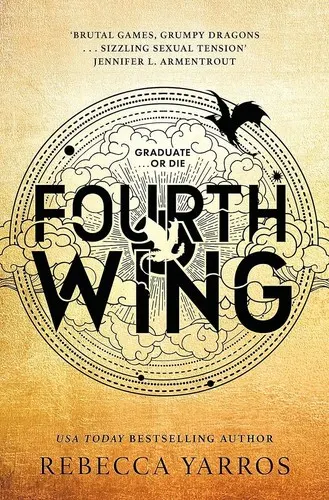 Fourth Wing
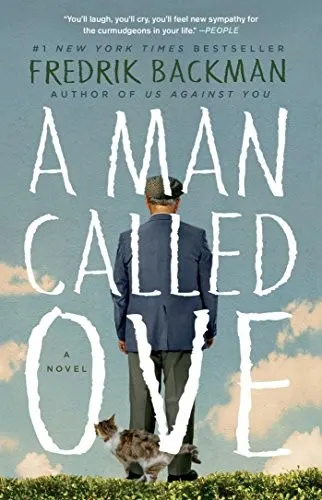 A Man Called Ove
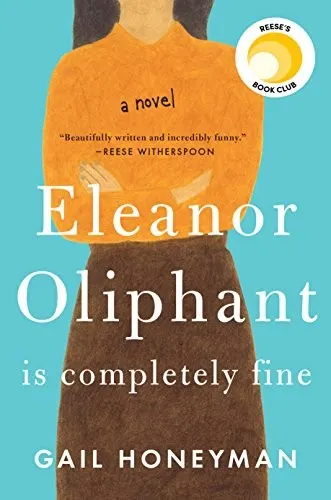 Eleanor Oliphant Is Completely Fine
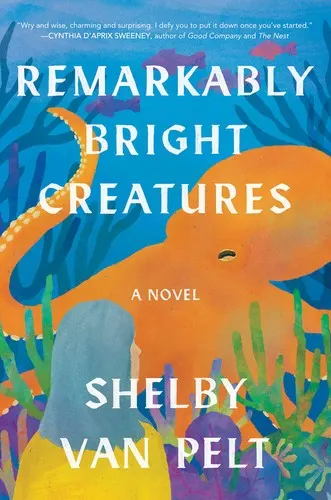 Remarkably Bright Creatures
From the reading bulletin
Original discussion questions by mutuals. Browse all book guides →