Crying in H Mart Discussion Questions & Book Club Guide
by Michelle Zauner
Want to read Crying in H Mart with a few people nearby?
About Crying in H Mart
Michelle Zauner’s mother died of cancer, and the way Zauner grieves is through Korean food — the dishes her mother made, the grocery store aisles where she learned to be Korean, the recipes she taught herself after the funeral. The 2021 memoir is about being mixed-race in America, about losing the person who connected you to half your identity, and about feeding yourself as an act of remembering. Zauner grew up caught between her Korean mother’s exacting love and an American adolescence that had no room for it; she only understood the shape of what her mother gave her after it was gone. She writes about grief the way she writes songs as the frontwoman of Japanese Breakfast: precisely, with hooks, and with a refusal to look away from the ugly parts. Bring tissues and something to eat — this book makes people cook.
Discussion questions for Crying in H Mart
Zauner opens the memoir by saying she cries whenever she’s in H Mart. What is it about a grocery store — not a cemetery, not a childhood home — that holds that much grief, and have you ever had an equivalent place?
The relationship between Zauner and her mother before the illness was often tense, even combative. How does Zauner handle the gap between loving someone fiercely and finding them difficult to be around — and did her honesty about that tension make the grief feel more or less credible?
Food functions as a language between mother and daughter long before either of them names it that way. At which moments does food communicate something that words can’t, and where does it fall short?
Zauner is biracial — her mother was Korean, her father is white. She describes her Korean identity as something tethered almost entirely to her mother. What does the memoir argue about what happens to an inherited identity when the person who carried it dies?
After her mother’s death, Zauner decides to learn Korean cooking from scratch. Is that an act of preservation, of mourning, or of becoming — and does the distinction matter?
Zauner writes candidly about the physical experience of her mother’s illness: the hospital rooms, the feeding tubes, the body failing. Why does she insist on those details rather than softening them, and what do the clinical passages do to the reader?
Peter — Zauner’s partner, later her husband — is a steady presence throughout the memoir but rarely at its center. What role does he play in the emotional architecture of the book, and is Zauner deliberate about keeping the focus on the mother-daughter axis?
The memoir began as a viral essay in The New Yorker. Can you feel the seams where the personal essay became a book-length narrative, or does the expansion feel organic? Where is the writing strongest?
Zauner’s music career with Japanese Breakfast runs parallel to her grief. How does she use her artistic life to process her mother’s death — and does the memoir suggest that making art about loss is healing, or just another form of repetition?
There’s a moment where Zauner realizes she’s performing Korean-ness more consciously after her mother dies than she ever did while her mother was alive. What does that reversal reveal about how identity works when it’s no longer automatic?
Zauner’s mother expressed love through criticism and through feeding. How does the memoir complicate the idea that love should feel good to receive — and did it change how you think about the ways people in your own life show care?
By the end, Zauner is cooking elaborate Korean meals in her own kitchen. Has the grief resolved, or has it just found a container? What does the last chapter suggest about whether food can actually carry a person forward?
Themes in Crying in H Mart
Food as love language and grief ritual
Zauner’s mother showed love by feeding — banchan spread across the table, specific cuts of fruit, the right brand of seaweed. After her death, Zauner teaches herself to make those dishes not because she’s hungry but because cooking is the closest she can get to hearing her mother’s voice again. The memoir treats food not as metaphor but as literal medium: the smell of doenjang-jjigae is not like her mother, it is the remaining trace. For a book club, the tension is whether that kind of embodied memory sustains you or keeps you circling the same loss.
Bicultural identity and the fear of losing half
Zauner’s Korean-ness was something her mother maintained — by cooking, by speaking Korean at home, by dragging her daughter through H Mart aisles and insisting she eat properly. Without her mother, Zauner faces the possibility that half her identity might simply evaporate. The memoir is honest about the fact that being biracial in America often means one culture has infrastructure and the other has a single person holding it up. When that person dies, the question isn’t just emotional — it’s existential.
The body as site of grief and healing
Cancer makes the body inescapable in this memoir. Zauner watches her mother’s body deteriorate, and then she watches her own body absorb the shock — she loses weight, she can’t eat, she cries in public. But the body is also where healing begins: she kneads dough, she chops garlic, she feeds herself back to life. Zauner doesn’t separate physical experience from emotional experience, and the book argues that grief lives in the hands and the stomach as much as in the mind.
Mother-daughter relationships and what survives death
Zauner and her mother fought. They misunderstood each other. The love between them was real and also abrasive. The memoir refuses to smooth that out in retrospect — Zauner doesn’t canonize her mother just because she’s gone. What survives is not a perfect memory but a set of practices: how to select a ripe melon, how to fold a dumpling, how to show up at a Korean grocery store and feel, even briefly, that you’re home. The argument is that love persists not in feelings but in the things you keep doing.
Suggested book club format
- Length: 256 pages, roughly five hours of reading.
- Session count: One session. The memoir is short enough to hold in a single conversation, and the emotional arc builds to a crescendo that’s best discussed whole rather than interrupted.
- Icebreaker: “What’s a dish that, if you smelled it right now, would take you back to someone?”
- Moderator note: Cancer, death of a parent, and fraught family dynamics are not subplots — they’re the spine of the book. Name that before discussion begins. Some readers will have lost a parent; some will be estranged from one. Give the group permission to step back from any question that hits too close, and don’t push anyone to share their own grief story unless they volunteer it.
How a real club read this
Share how your club discussed Crying in H Mart — tell us about your reading circle.
More books like Crying in H Mart
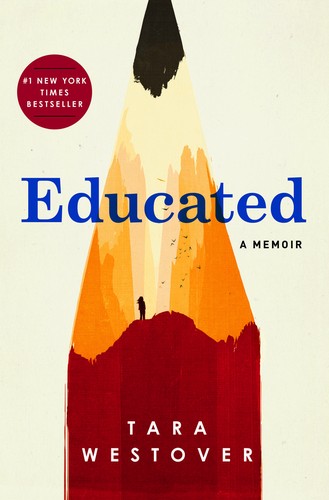
- Educated by Tara Westover — a memoir about escaping a survivalist family and discovering that education can be both liberation and loss, told with the same unflinching honesty about what family costs. Educated discussion guide.
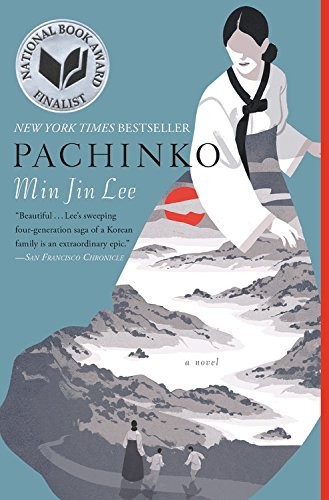
- Pachinko by Min Jin Lee — four generations of a Korean family navigating identity, prejudice, and belonging in Japan, with the same attention to what it means to carry a culture in a country that won’t claim you. Pachinko discussion guide.
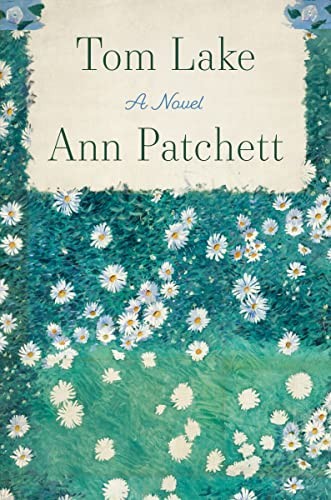
- Tom Lake by Ann Patchett — a mother’s past surfaces during a family summer, and the distance between who she was and who her daughters assumed she was drives everything. Tom Lake discussion guide.
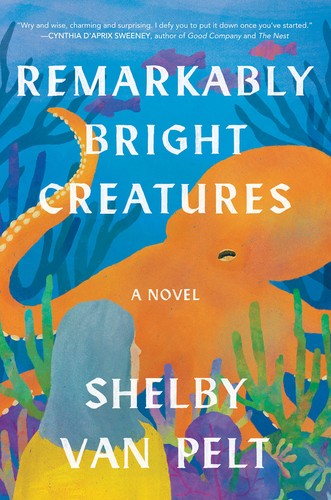
- Remarkably Bright Creatures by Shelby Van Pelt — grief, unlikely connection, and the question of whether you can outlast a loss that never fully resolves. Remarkably Bright Creatures discussion guide.
Read Crying in H Mart with neighbours in a Mutuals circle. Learn how to run a great reading-circle discussion. Explore more memoir picks for book clubs.
About Mutuals
Mutuals matches you with a handful of neighbours whose reading taste overlaps with yours into a local reading circle close to home: monthly meetups, no app fatigue. Free to sign up; you only pay $15 if a circle actually forms around you. If you want to read Crying in H Mart with people who live nearby, that’s literally what we do.
Bring Crying in H Mart to a Mutuals reading circle near you →
Imagine reading Crying in H Mart with a handful of neighbours who love it too. mutuals matches you with local readers who share your taste. Free to join, and just $15 on the day your circle forms.
Match with neighboursMore guides like this
From the blog
Discussion guide by the mutuals team. Questions are original.
More book guides