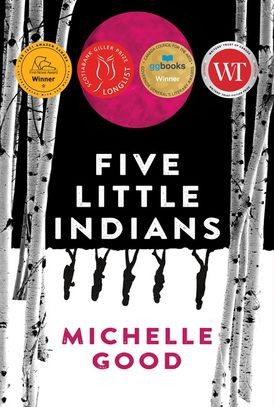
About Five Little Indians
Kenny, Lucy, Clara, Howie, and Maisie were taken from their families as small children and sent to a remote, church-run residential school in British Columbia. They leave it as teenagers, with no money, no skills, and no family to go home to. One by one they find their way to Vancouver’s Downtown Eastside, where they hold on to each other while trying to build lives in a city that does not want them. Michelle Good, a Cree writer and lawyer from Red Pheasant Cree Nation, spent years representing residential school survivors. She has said she wrote the novel to answer a question she kept hearing: why can’t they just get over it? The book spends little time inside the school. Its story is the decades that follow. It won the Governor General’s Literary Award for fiction in 2020 and Canada Reads in 2022. For a Vancouver book club, it is also a book about streets many members walk every week, seen from a side of the city’s history that is easy to ignore.
Discussion questions for Five Little Indians
Good spends very little time inside the school and most of the book on what came after. Why do you think she made the aftermath the story? What did you understand from that choice that a book set at the school might not have shown?
Most chapters belong to one of the five. Whose chapters stayed with you most, and whose did you want more of?
The five leave the school as teenagers, with no family and no support, and end up in the Downtown Eastside. What does the city offer them, and what does it take? If you know those streets today, did the novel change how you see them?
Kenny was famous at school for his escapes, and as an adult he keeps running: to fishing grounds, orchards, and logging camps. What is he running from? Why is his love for Lucy not enough to make him stay?
Lucy studies nursing, raises a child, and from the outside seems to be coping. She also carries a private compulsion she hides from others. How does Good show trauma in someone who looks like she is doing fine?
Clara’s anger, at the school and at God, leads her into the American Indian Movement. Is her rage a wound, a source of strength, or both? How does political work change her?
Mariah is the only character outside the five who has a chapter named for her. Why do you think Good gave her that place? What does Mariah offer Clara that no one else can?
Howie nearly beats one of his former tormentors to death and goes to prison for it. How did you feel about what he did? How does the justice he faces compare with the justice no one ever brought for what was done to him?
Maisie works cleaning a rundown motel and lives a second life that Lucy does not know about. Why do these friends keep secrets from each other, even though they are the only people who truly understand what they survived?
Being together is a lifeline for the five, but it also ties them to the place that hurt them. Where does their friendship help them heal, and where does it keep them stuck?
Good wrote the book as an answer to “Why can’t they just get over it?” Does the novel answer that question for you? Would you answer it differently now than before you read it?
What did you know about residential schools before reading this, and where did you learn it? What would you want a friend who knows nothing about them to take from this book?
Themes in Five Little Indians
The aftermath is the story
Many books about residential schools focus on what happened inside them. Good chooses to follow her characters out the door and through the decades. The harm does not end when the school releases them. It shows up in jobs, marriages, parenting, addiction, and silence. By keeping the focus on the years after, the novel shows why “the past” is not past for survivors.
Chosen family among survivors
The five did not choose each other. The school threw them together. Yet in Vancouver they become each other’s only family, the people who show up when no one else will. The novel is honest that this bond is both a comfort and a weight. The people who understand you best are also the people who remind you of what you lost.
Vancouver’s Downtown Eastside
The city in this novel is not the Vancouver of postcards. It is hard work, little money, and few people who care what happens to a group of young Indigenous survivors. Good shows how the neighbourhood became a landing place for people with nowhere else to go, and how it shaped and sometimes swallowed them. Readers who live in Vancouver will recognise the streets and may see them differently afterwards.
Anger, faith, and finding a way back
Each character carries the school differently. Kenny runs. Lucy controls what she can. Clara turns her anger outward into activism. Howie’s anger explodes. Maisie turns hers inward. Through Clara’s story especially, the novel also asks where healing can come from when the institutions that caused the harm offer none.
Suggested book club format
- Length: About 300 pages, roughly seven hours of reading.
- Session count: One session, with time set aside at the start for members to say how the book landed for them before moving into the questions.
- Icebreaker: “Which of the five would you most want to sit down with for an afternoon, and what would you ask them?”
- Moderator note: The novel includes child abuse, including sexual abuse, along with addiction, violence, and death. Name this before the meeting. If Indigenous members are in your circle, do not ask them to speak for anyone or to explain the history. In Canada, the National Indian Residential School Crisis Line is open 24 hours a day at 1-866-925-4419 for survivors and their families.
How a real club read this
Share how your circle discussed Five Little Indians: tell us about your reading circle.
More books like Five Little Indians
- Indian Horse by Richard Wagamese: an Ojibway boy survives residential school through hockey, and spends years facing what it did to him. Indian Horse discussion guide.
- Demon Copperhead by Barbara Kingsolver: young people failed by every system meant to protect them, and the addictions that fill the gap. Demon Copperhead discussion guide.
- The Heart’s Invisible Furies by John Boyne: a life shaped by a church’s power and the long work of becoming whole anyway. The Heart’s Invisible Furies discussion guide.
- Pachinko by Min Jin Lee: a family pushed to the margins of a country that will not claim them, across decades and generations. Pachinko discussion guide.
Read Five Little Indians with neighbours in a mutuals circle. Learn how to run a great reading-circle discussion. Explore more discussion guides for book-club picks.
About mutuals
mutuals matches you with a handful of neighbours whose reading taste overlaps with yours into a local reading circle close to home: monthly meetups, no app fatigue. Free to join. $15 only when we find your circle. If you want to read Five Little Indians with people who live nearby, that is exactly what we do.
Bring Five Little Indians to a mutuals reading circle near you →
Turn the next chapter into a plan
Find a few nearby readers who share your taste. Free to sign up; $15 when you join your matched circle.
Also on the shelf
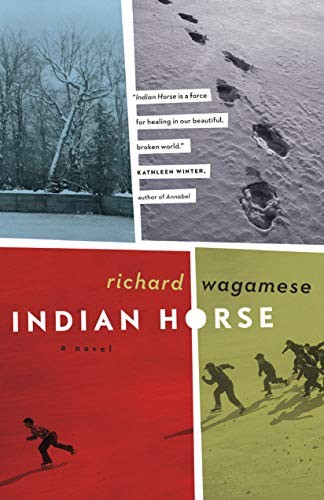 Indian Horse
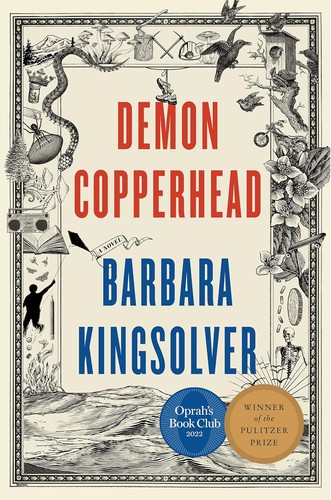 Demon Copperhead
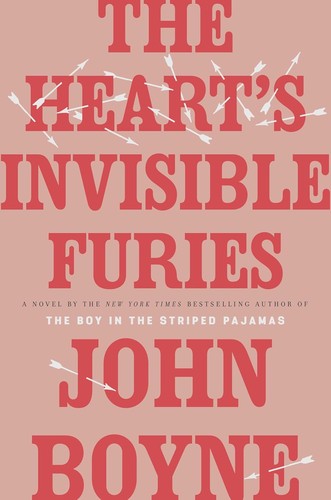 The Heart's Invisible Furies
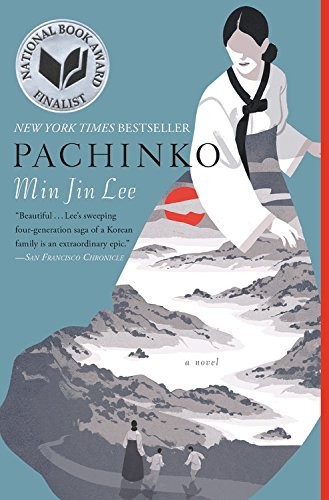 Pachinko
From the reading bulletin
Original discussion questions by mutuals. Browse all book guides →