Demon Copperhead Discussion Questions & Book Club Guide
by Barbara Kingsolver
Want to read Demon Copperhead with a few people nearby?
About Demon Copperhead
Damon Fields — Demon — is born in a single-wide trailer in Lee County, Virginia, and he starts talking from page one. What follows is his life narrated in his own voice: a childhood torn through foster homes, a body wrecked by football and then by the pills that were supposed to fix it, and an Appalachia hollowed out by the same pharmaceutical companies that sponsor the local stadium. Barbara Kingsolver’s 2022 Pulitzer winner is David Copperfield relocated to modern southwest Virginia — the structural beats of Dickens mapped onto opioid-era poverty with an anger Dickens would have recognized. Demon is funny, unreliable, and too young for what he knows. Book clubs that pick this up should clear their schedule; it starts conversations that don’t fit inside one evening.
Discussion questions for Demon Copperhead
Demon narrates his own story from childhood through early adulthood. At what points did you trust his version of events, and where did you sense he was protecting himself — or you — from the full picture?
Kingsolver maps David Copperfield’s plot onto Appalachian poverty. If you know the Dickens, what does the parallel illuminate? If you don’t, did the novel feel complete on its own terms?
The foster-care system in this book isn’t run by villains — it’s run by underfunded, overwhelmed people following procedures. Is that portrayal more damning than a story about bad individuals would be?
Demon’s addiction begins with a legitimate prescription after a football injury. How does the novel shift responsibility from the person using the drug to the system that made it available?
Dori and Emmy represent two different versions of what love looks like for Demon. What does each relationship reveal about where he is in his own survival, and why does the book need both?
Football is the one institution that gives Demon status and belonging. How does Kingsolver use the sport — its injuries, its culture, its economics — to connect the personal story to the systemic one?
The Peggots are the closest thing Demon has to a stable family, but they can’t fully protect him. What does the novel say about the limits of individual goodness inside a broken system?
Kingsolver is a well-known author from southern Appalachia writing about people who don’t usually get literary novels built around their lives. Does the book earn its perspective, or are there moments where it feels like translation for an outside audience?
The pharmaceutical companies in the novel are never named with their real names but are clearly identifiable. Why do you think Kingsolver made that choice, and does it strengthen or weaken the indictment?
Demon’s art — his drawing — surfaces throughout the book as something that belongs entirely to him. How does creativity function differently from football, love, or drugs as a survival strategy?
Several characters die from overdoses, and the deaths are narrated without melodrama. How does the novel’s flat, factual treatment of overdose shape the way you feel about it compared to news coverage or other fiction?
The ending gives Demon a fragile foothold but not a triumph. Did you read the final pages as hopeful, and if so, what exactly is the hope resting on?
Kingsolver has said she wrote this book because middle-class America treats opioid addiction as a moral failure rather than an economic one. Did the novel change where you locate the blame — and if not, what would?
If you could assign this book to one person who hasn’t read it — a specific type of reader, not a friend by name — who would it be and why?
Themes in Demon Copperhead
Poverty as a system, not a character flaw
Demon never gets to fail on his own terms. Every setback — lost housing, bad foster placement, dropped from school — is the output of a machine running exactly as designed. Kingsolver builds the case methodically: poverty in Lee County isn’t an accident or a personal shortcoming but a series of policy decisions made by people who will never live with the consequences.
Addiction and the pharmaceutical pipeline
The opioid crisis in this novel doesn’t begin in an alley. It begins in a doctor’s office, with a prescription pad, after a high-school football injury. Kingsolver traces the supply chain from manufacturer to distributor to pharmacy to Demon’s bloodstream, making it nearly impossible to isolate a single point of blame — which is precisely her argument.
The foster-care machine
Demon cycles through placements the way a package moves through a warehouse. The caseworkers aren’t cruel; they’re drowning. The foster parents range from decent to predatory, but the system that places children with them has no mechanism for distinguishing one from the other at speed. The novel treats foster care as a logistics problem pretending to be a care system.
Appalachian dignity versus stereotype
Kingsolver writes Lee County with the specificity of someone who lives there. The mountains, the accents, the food, the churches — none of it is scenery. Demon’s narration refuses both the pity and the condescension that Appalachia usually gets in national media. The people in this book are broke, not broken, and the distinction matters to every page.
Survival as storytelling
Demon’s voice is the book’s engine and its argument. By narrating his own life — with humour, deflection, and occasional fury — he reclaims a story that institutions have been writing about him since birth. The act of telling is itself a form of survival, and Kingsolver lets the voice carry weight that exposition never could.
Suggested book club format
- Length: 560 pages, roughly twelve to fourteen hours of reading.
- Session count: Three sessions recommended. Break after Part Two (around page 190, when Demon leaves the Peggots) and again after Part Four (around page 380, when the pills take hold). This gives each session a distinct emotional register: childhood and loss, the system and football, addiction and aftermath.
- Icebreaker: “What’s something about the place you grew up that outsiders always get wrong?”
- Moderator note: This book depicts child neglect, addiction, overdose death, and sexual exploitation of minors with unflinching specificity. Flag these topics at the start of your first session. The narration’s dark humour can make it easy to move quickly past scenes that hit some readers hard — build in pauses and check in, especially during the addiction chapters.
How a real club read this
Share how your club discussed Demon Copperhead — tell us about your reading circle.
More books like Demon Copperhead
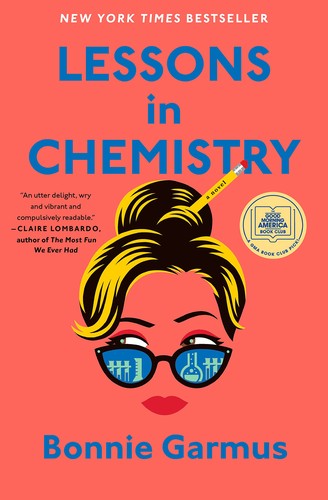
- Lessons in Chemistry by Bonnie Garmus — systemic injustice played as dark comedy, with the same structural anger Kingsolver brings to Appalachia aimed at 1960s sexism in science. Lessons in Chemistry discussion guide.
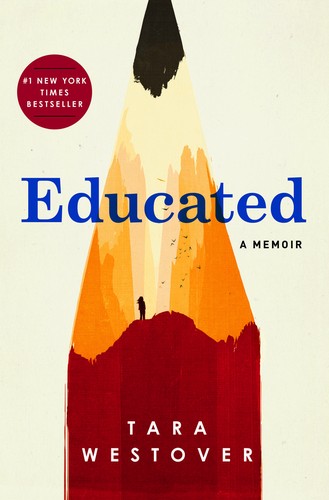
- Educated by Tara Westover — a memoir about escaping a survivalist family in rural Idaho that shares Demon Copperhead’s central question: what do you owe the place that raised you and failed you? Educated discussion guide.
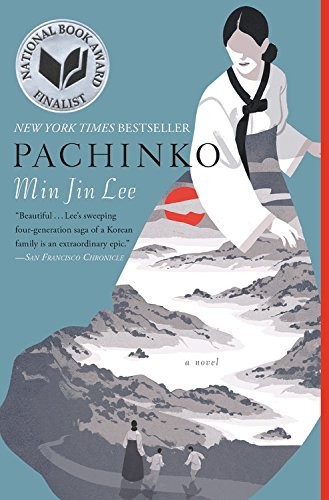
- Pachinko by Min Jin Lee — four generations of a Korean family in Japan, navigating the same intersection of poverty, dignity, and institutional indifference across a much longer timeline. Pachinko discussion guide.
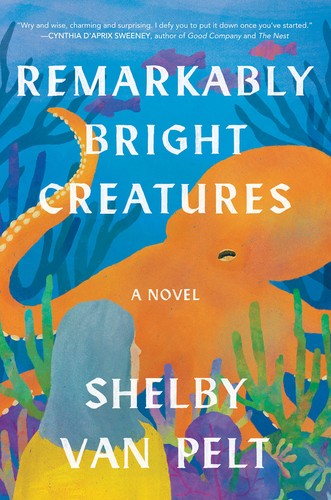
- Remarkably Bright Creatures by Shelby Van Pelt — a quieter register but a shared interest in unlikely narrators and the people society decides not to see. Remarkably Bright Creatures discussion guide.
Read Demon Copperhead with neighbours in a Mutuals circle. Learn how to run a great reading-circle discussion. Explore more literary fiction picks for book clubs.
About Mutuals
Mutuals matches you with a handful of neighbours whose reading taste overlaps with yours into a local reading circle close to home: monthly meetups, no app fatigue. Free to sign up; you only pay $15 if a circle actually forms around you. If you want to read Demon Copperhead with people who live nearby and argue about whether the ending counts as hope, that’s literally what we do.
Bring Demon Copperhead to a Mutuals reading circle near you →
Imagine reading Demon Copperhead with a handful of neighbours who love it too. mutuals matches you with local readers who share your taste. Free to join, and just $15 on the day your circle forms.
Match with neighboursMore guides like this
From the blog
Discussion guide by the mutuals team. Questions are original.
More book guides