The Heaven & Earth Grocery Store Discussion Questions & Book Club Guide
by James McBride
Want to read The Heaven & Earth Grocery Store with a few people nearby?
About The Heaven & Earth Grocery Store
In 1972, a skeleton is found at the bottom of a well in Pottstown, Pennsylvania, and the discovery cracks open decades of buried history. James McBride winds the clock back to the 1920s and ’30s to tell the story of Chicken Hill, a working-class neighborhood where Black and Jewish families lived side by side, shared a grocery store, and quietly conspired to protect a deaf Black boy named Dodo from being shipped to a state institution. The novel is messy, overpopulated, funny, and furious — McBride writes community not as warmth but as an act of defiance against people who would rather the neighborhood didn’t exist. It’s the kind of book where every reader at the table latches onto a different character and the group can’t agree on who the novel is actually about.
Discussion questions for The Heaven & Earth Grocery Store
The novel opens in 1972 with a skeleton in a well and then jumps back forty years. How does that framing device change the way you read the Chicken Hill story — does knowing something terrible happened make the earlier chapters feel more urgent or more tragic?
Black and Jewish residents of Chicken Hill build a real alliance, but it’s not seamless or equal. Where do you see the limits of that solidarity, and does McBride romanticize it or does he earn the messiness?
Dodo is at the center of the novel’s moral crisis. What does his story reveal about how institutions decide who counts as a full person — and has that logic actually changed?
Moshe and Chona’s marriage carries enormous weight in the book. What holds them together, and do you read their relationship as love, obligation, mutual stubbornness, or something harder to name?
The state institution that threatens Dodo is presented as violence dressed up as care. Can you think of modern equivalents where the same logic — “we’re helping them” — still operates?
Pottstown’s white establishment mostly looks the other way while terrible things happen on Chicken Hill. How does McBride portray complicity differently from active cruelty, and which does he seem to find more dangerous?
McBride populates Chicken Hill with an enormous cast — some readers love the sprawl, others find it overwhelming. Did the crowded narrative work for you, or did you wish he’d narrowed the lens?
The Heaven & Earth Grocery Store itself is more than a business. What does the store represent to the neighborhood, and what happens to a community when the physical place that holds it together disappears?
Nate and the other Black men in the novel navigate a world designed to diminish them. Which character’s strategy for survival — resistance, silence, humor, leaving — felt most real to you?
The novel is set in the 1920s-30s but clearly speaks to the present. Which parallels felt sharpest to you, and were there moments where the historical distance made something easier to see?
McBride’s prose style is loose, digressive, and sometimes comic in the middle of brutal material. How does that tonal mix affect the emotional impact — does humor make the darkness more bearable or more unsettling?
The skeleton in the well is eventually identified. Did the reveal change your understanding of the story, or had McBride already told you everything that mattered before you learned the name?
If you had to describe what this novel is about in a single sentence, what would you say — and did your answer change between starting and finishing the book?
Themes in The Heaven & Earth Grocery Store
Solidarity across difference
Chicken Hill’s Black and Jewish residents build something together not because they share an identity but because they share a position — both communities are pushed to the margins by the same power structure. McBride is honest about the friction inside that alliance, which is what makes it believable. The question for a book club is whether solidarity built on shared exclusion is fragile or whether it’s actually the most durable kind.
The violence of institutions
The Pennhurst-like institution that threatens Dodo is the novel’s clearest villain, but McBride’s point is broader: the state doesn’t need malice when it has paperwork. Institutionalization, forced sterilization, and the bureaucratic sorting of people into “normal” and “defective” are presented not as aberrations but as policy. The horror is how ordinary the machinery looks from the outside.
Community as resistance
Chicken Hill isn’t idyllic — it’s poor, cramped, and full of people who annoy each other. But McBride treats the neighborhood’s stubborn persistence as a political act. Staying, helping, sharing a store, hiding a child — these aren’t grand gestures. They’re the daily work of refusing to let a place and its people be erased.
The buried and the remembered
A skeleton in a well is the novel’s literal buried secret, but McBride layers the metaphor: buried histories, buried alliances, buried people whose names the official record never bothered to keep. The book argues that what a town buries tells you more about it than what it displays, and that remembering is itself an act of justice.
Disability and who gets to be “normal”
Dodo is deaf, and the novel makes clear that his disability is not the danger — the danger is a society that treats disability as a problem to be removed. McBride connects ableism to racism and antisemitism through the shared logic of eugenics: the same people who want Chicken Hill demolished want Dodo locked away. The book asks who gets to define “normal” and what it costs when that definition has the force of law.
Suggested book club format
- Length: Roughly 400 pages, about eight hours of reading.
- Session count: Two sessions work best. Split after Part One (around page 200), when the Chicken Hill community is fully established and the threat to Dodo sharpens. The first session lets the group map the enormous cast; the second tackles the moral and emotional core.
- Icebreaker: “Think of a neighborhood, street, or building that held a community together. What happened to it, and what was lost when it changed?”
- Moderator note: This novel depicts institutional racism, antisemitism, ableism, and violence against a child in direct and sometimes graphic terms. Name those themes at the start and check in with the group. Some readers will also want to discuss the real history of Pennhurst State School — having a brief factual summary ready can ground the conversation.
How a real club read this
Share how your club discussed The Heaven & Earth Grocery Store — tell us about your reading circle.
More books like The Heaven & Earth Grocery Store
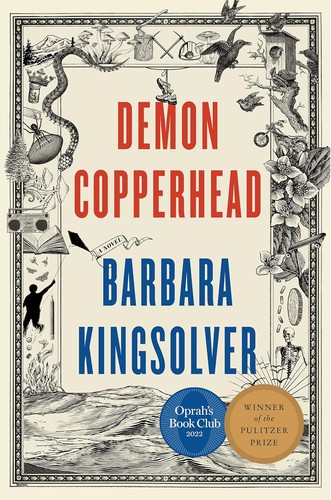
- Demon Copperhead by Barbara Kingsolver — Appalachian poverty and institutional failure told with furious, Dickensian energy. Demon Copperhead discussion guide.
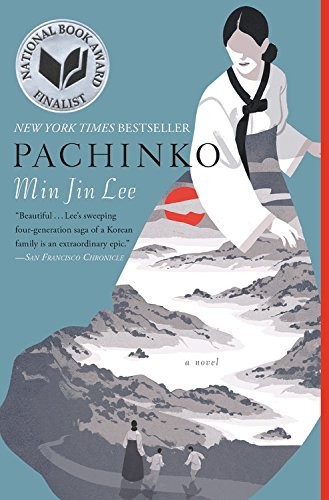
- Pachinko by Min Jin Lee — four generations of a Korean family in Japan, navigating exclusion and solidarity across decades. Pachinko discussion guide.
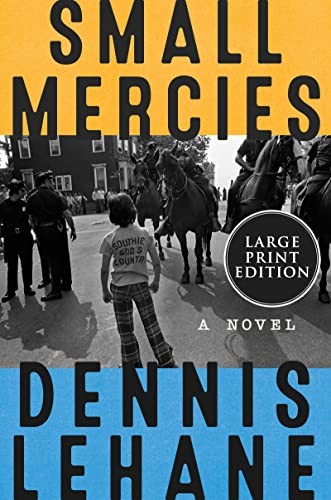
- Small Mercies by Dennis Lehane — Boston in 1974, busing, and the way racism eats a neighborhood from the inside. Small Mercies discussion guide.
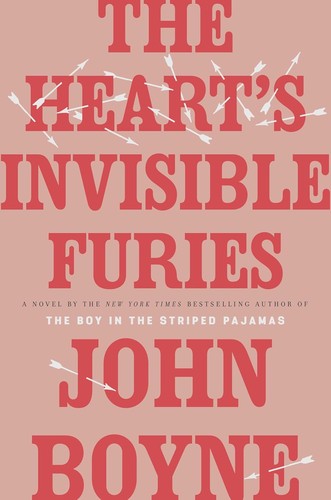
- The Heart’s Invisible Furies by John Boyne — an Irish life shaped by the institutions and prejudices that tried to erase it. The Heart’s Invisible Furies discussion guide.
Read The Heaven & Earth Grocery Store with neighbours in a Mutuals circle. Learn how to run a great reading-circle discussion. Explore more literary fiction picks for book clubs.
About Mutuals
Mutuals matches you with a handful of neighbours whose reading taste overlaps with yours into a local reading circle close to home: monthly meetups, no app fatigue. Free to sign up; you only pay $15 if a circle actually forms around you. If you want to read The Heaven & Earth Grocery Store with people who live nearby, that’s literally what we do.
Bring The Heaven & Earth Grocery Store to a Mutuals reading circle near you →
Imagine reading The Heaven & Earth Grocery Store with a handful of neighbours who love it too. mutuals matches you with local readers who share your taste. Free to join, and just $15 on the day your circle forms.
Match with neighboursMore guides like this
From the blog
Discussion guide by the mutuals team. Questions are original.
More book guides