Horse Discussion Questions & Book Club Guide
by Geraldine Brooks
Want to read Horse with a few people nearby?
About Horse
Geraldine Brooks’s 2022 novel is built on a real animal: Lexington, the fastest thoroughbred in antebellum America, and an enslaved man named Jarret who knew the horse better than anyone alive. Brooks braids three timelines together. In the 1850s, Jarret moves through Kentucky’s horse country as both expert and property. In the 1950s, a Smithsonian taxidermist recovers a skeleton that no one in the museum quite knows what to do with. In the present day, Theo, a Nigerian-Australian scientist, and Jess, an art historian, stumble into the horse’s legacy from opposite directions and find their own lives tangled in it. The novel asks what America chooses to remember and who it quietly erases — told through a horse that became a painting that became a skeleton in a museum basement. The book-club hook is that it’s more uncomfortable than it looks: Brooks keeps asking who profits from Black excellence and who gets credited for it.
Discussion questions for Horse
Jarret possesses extraordinary knowledge about horses — breeding, training, temperament — yet he is legally property himself. How does Brooks handle the tension between his expertise and his enslavement, and are there moments where the novel lets you forget that tension too easily?
The book moves across three timelines separated by more than a century. Did the structure feel like a single story told in fragments, or did one timeline carry more weight for you? Which one, and why?
Thomas J. Scott’s paintings of Lexington appear at several points in the novel. What does Brooks suggest about what a painting preserves and what it distorts — and who controls the difference?
Lexington’s legacy is claimed by owners, breeders, museums, and historians across the centuries. Who, in the novel’s view, actually owns a legacy — the people who profited from it or the people whose labour created it?
The modern-day storyline brings Theo and Jess together across race and discipline. Did their sections of the novel feel as urgent as the historical chapters, or did the contemporary plot serve more as a frame? What worked and what didn’t?
Brooks is a white Australian writing about American slavery, race, and Black horsemanship. Where did you feel that distance in the prose, and does the novel earn its subject or does it reach past what the author can fully access?
Jarret’s relationship with the horses is rendered with real tenderness, while his relationships with other people are often constrained by violence and ownership. What does the novel suggest about where an enslaved person is permitted to place love?
The 1950s Smithsonian chapters focus on a man cataloguing bones that institutions have stopped caring about. How does Brooks use the museum as a metaphor for how America stores its racial history — visible enough to find, ignored enough to forget?
A hate crime in the present-day timeline forces the novel’s themes out of the past and into the contemporary world. Did that scene change how you read the historical sections, or did it feel like the book was making a point it had already made?
Lexington is never given a voice, but he shapes every character’s life. How does Brooks use an animal — who cannot consent, protest, or narrate — to expose the logic of ownership that applies to both horses and people?
The novel is partly about who gets to be an expert and who gets to be credited as one. Where do you see that question operating in your own field, institution, or community?
Brooks ends the book with the threads loosely gathered rather than neatly tied. Did the ending satisfy you, and what do you think she’s saying by refusing a clean resolution?
Themes in Horse
Black excellence under white ownership
Jarret is the best horseman in the novel. He reads bloodlines, calms temperaments, and makes decisions that generate enormous wealth — none of which belongs to him. Brooks builds a careful, infuriating portrait of expertise that exists inside a system designed to deny it personhood. The question she keeps circling is not whether Jarret is brilliant but whether brilliance matters when someone else holds the deed.
Art as record and distortion
Thomas J. Scott’s paintings of Lexington are treated in the novel as both historical evidence and acts of selective memory. A painting can preserve a horse’s likeness while erasing the Black groom standing just outside the frame. Brooks uses art — visual, literary, institutional — to ask what documentation actually documents and whose presence gets edited out of the record in the name of aesthetics or simplicity.
The body as property — horse and human
The parallel is the novel’s structural engine: Lexington is bred, sold, raced, and eventually reduced to a skeleton in storage. Jarret is bought, moved, worked, and eventually lost to history. Brooks never makes the comparison crude, but she doesn’t let you avoid it either. Both bodies generate value for people who did not create them, and both bodies are discarded once the value has been extracted.
The archaeology of erased lives
From a museum basement full of uncatalogued bones to a painting attributed to the wrong artist, the novel is obsessed with what happens to evidence when no one with power has a reason to look at it. Brooks argues that erasure is not a single act but a long, institutional habit — and that recovering what was erased requires not just finding the object but understanding why it was buried in the first place.
Suggested book club format
- Length: 416 pages, roughly eight to nine hours of reading.
- Session count: Two sessions recommended. Break around page 210, at the natural shift between the antebellum chapters and the deepening of the modern-day storyline. The first session lets the group sit with Jarret’s world; the second opens up the questions about legacy, museums, and who gets to tell this story now.
- Icebreaker: “Think of something — an object, a skill, a story — that your family or community created but someone else got credit for. What happened to it?”
- Moderator note: This novel depicts slavery, racial violence, the dehumanisation of enslaved people, and a present-day hate crime with direct, uncomfortable specificity. Name those themes at the start and give the group permission to pause. Some readers will want to discuss whether a white author should be writing this material at all — that’s a productive conversation, not a derailment, so leave room for it.
How a real club read this
Share how your club discussed Horse — tell us about your reading circle.
More books like Horse
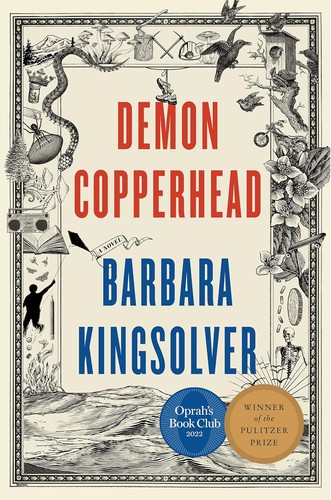
- Demon Copperhead by Barbara Kingsolver — systemic injustice narrated by the person it’s crushing, with the same structural anger Brooks brings to the antebellum South aimed at opioid-era Appalachia. Demon Copperhead discussion guide.
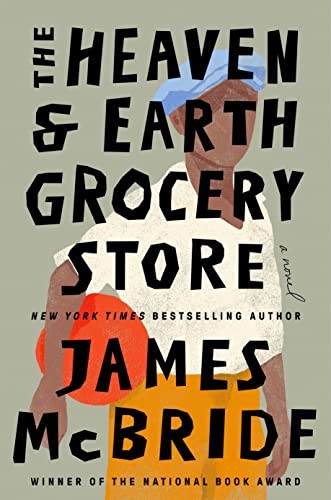
- The Heaven & Earth Grocery Store by James McBride — a buried skeleton, a neighborhood erased by power, and the question of who gets to be remembered. The Heaven & Earth Grocery Store discussion guide.
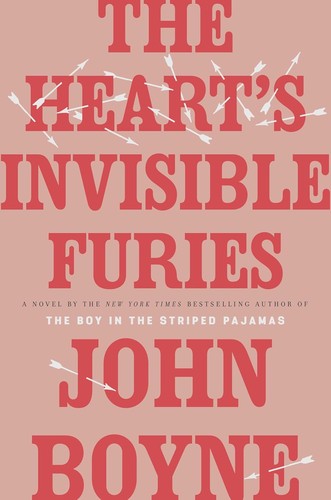
- The Heart’s Invisible Furies by John Boyne — a life shaped by the institutions and prejudices that tried to erase it, told across decades with humour and fury. The Heart’s Invisible Furies discussion guide.
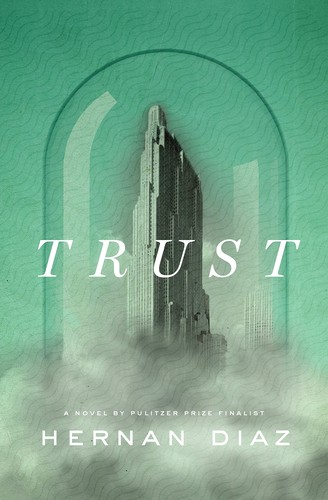
- Trust by Hernan Diaz — wealth, authorship, and the question of who gets to write the official version of a life. Trust discussion guide.
Read Horse with neighbours in a Mutuals circle. Learn how to run a great reading-circle discussion. Explore more historical fiction picks for book clubs.
About Mutuals
Mutuals matches you with a handful of neighbours whose reading taste overlaps with yours into a local reading circle close to home: monthly meetups, no app fatigue. Free to sign up; you only pay $15 if a circle actually forms around you. If you want to read Horse with people who live nearby and argue about whether Brooks earns the right to tell this story, that’s literally what we do.
Imagine reading Horse with a handful of neighbours who love it too. mutuals matches you with local readers who share your taste. Free to join, and just $15 on the day your circle forms.
Match with neighboursMore guides like this
From the blog
Discussion guide by the mutuals team. Questions are original.
More book guides