The Song of Achilles Discussion Questions & Book Club Guide
by Madeline Miller
Want to read The Song of Achilles with a few people nearby?
About The Song of Achilles
Patroclus is an awkward, unremarkable prince exiled to the court of King Peleus, where he meets Achilles — golden, half-divine, and already marked for greatness. What follows is a retelling of the Iliad narrated entirely through Patroclus’s eyes: boyhood on Pelion under the centaur Chiron, the pull of a war neither of them fully chose, and the slow collapse that begins once they reach Troy. Madeline Miller keeps the gods present but never lets them crowd out the human stakes — jealousy, stubbornness, grief that outlasts the body. The novel moves at the pace of a relationship, not a battle, which is exactly why it lands differently in conversation than it does alone. Groups that read it tend to argue about Achilles’ famous choice, and those arguments reveal more about the readers than the character.
Discussion questions for The Song of Achilles
Patroclus tells us early that he is “not remarkable.” How does his sense of his own ordinariness shape the way he narrates Achilles — and where do you think his account distorts reality because of it?
Achilles knows the prophecy: go to Troy and win eternal glory but die young, or stay home and live a long, forgotten life. At what point in the novel does his choice actually get made, and is it really a choice by then?
Thetis is possessive, cold, and occasionally terrifying. But she’s also a mother watching her son walk toward a fixed death. Did your sympathies toward her shift at any point, or did Miller intend her to stay unsympathetic?
The war occupies roughly the second half of the book, yet most of the emotional architecture is built in the first half. Why do you think Miller structured it that way — and does the war section feel earned or rushed to you?
Miller wrote this novel as a love story between two men using source material from a culture that understood that relationship differently than we do. How does the book navigate between ancient context and modern queer reading, and where does it succeed or stumble?
Briseis enters the story as a person with her own grief and intelligence, then largely recedes. What does her treatment in the narrative tell you about the limits of Patroclus’s perspective?
Achilles’ aristeia — his battlefield rampage after Patroclus dies — is told from a dead narrator’s point of view. What does Miller gain by keeping Patroclus present as a ghost rather than ending at his death?
The novel’s version of honour looks different from what most characters in the Iliad would recognize. Where does Miller’s modern moral sense press hardest against the ancient material, and does that tension strengthen or weaken the book?
Chiron, Odysseus, and Phoenix each offer Patroclus a different model for living alongside someone extraordinary. Which mentor’s influence do you see most in the choices Patroclus eventually makes at Troy?
There’s a recurring pattern of Patroclus healing people — medicine is his skill, not fighting. How does Miller use that contrast with Achilles’ lethal talent to build the emotional argument of the novel?
The final pages focus on a name carved on a tomb. What is Miller saying about legacy — who gets remembered, who does the remembering, and whether the remembering is the point?
If you came to this book without having read the Iliad, did knowing or not knowing the source material change your experience? And if you did know it, which departures from Homer felt necessary and which felt like losses?
Themes in The Song of Achilles
Love as defiance of fate
Patroclus and Achilles build a life together inside a prophecy that has already decided how it ends. Their relationship doesn’t change the outcome — Troy still burns, Achilles still dies — but Miller frames the love itself as the thing that matters against the machinery of fate. The novel asks whether choosing someone fully, knowing the cost, is its own form of victory.
The cost of glory
Achilles’ kleos — his undying fame — requires his death and the destruction of everyone near him. Miller doesn’t let the reader admire glory from a comfortable distance; she prices it in specific, named people. By the end, the reader has to decide whether the fame was worth what it consumed.
War as spectacle vs. war as suffering
The first Greek camps feel almost festive — games, rivalries, posturing. Then the actual fighting begins and Miller shifts registers deliberately, showing bodies, captives, and the slow erosion of the people who arrived whole. The novel uses that tonal break to interrogate how easily audiences, ancient and modern, turn violence into narrative entertainment.
Storytelling and who gets to narrate
Patroclus is not the hero of the Iliad. He’s a secondary character given the entire novel to speak. Miller’s structural choice raises the question of which voices history preserves and which it flattens into footnotes — and whether retelling a story from the margins changes what the story is actually about.
Mortality and what survives death
Gods in this novel are immortal and largely indifferent; humans die and are forgotten unless someone tells their story. The final act argues that what survives is not a person’s deeds but the quality of attention someone else paid to their life. Patroclus’s narration is itself the proof of that thesis.
Suggested book club format
- Length: 378 pages, roughly seven to eight hours of reading.
- Session count: One session works well. If your group prefers a split, break when the Greeks arrive at Troy (around the halfway mark) — the shift in setting and tone makes a natural dividing line.
- Icebreaker: “If someone were telling the story of your life, who would you want narrating it — and why that person instead of you?”
- Moderator note: Some members may not have read the Iliad or know the mythology beyond the broad strokes. That’s completely fine — Miller wrote a self-contained novel, and the discussion is richer when people aren’t performing expertise. If anything, readers coming in fresh often catch emotional beats that classicists gloss over.
How a real club read this
Share how your club discussed The Song of Achilles — tell us about your reading circle.
More books like The Song of Achilles
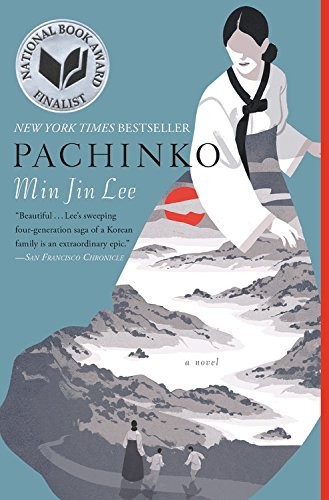
- Pachinko by Min Jin Lee — four generations of a Korean family caught between identity and survival, told with the same patient, fate-aware sweep. Pachinko discussion guide.
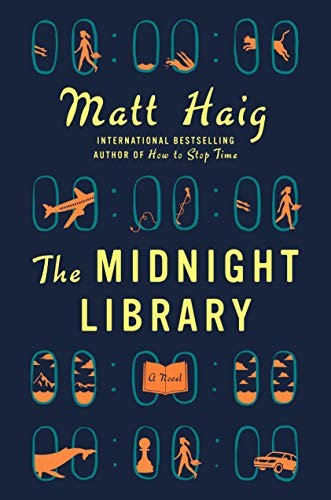
- The Midnight Library by Matt Haig — a woman between life and death explores the lives she might have lived, trading Miller’s ancient setting for a modern existential premise. The Midnight Library discussion guide.
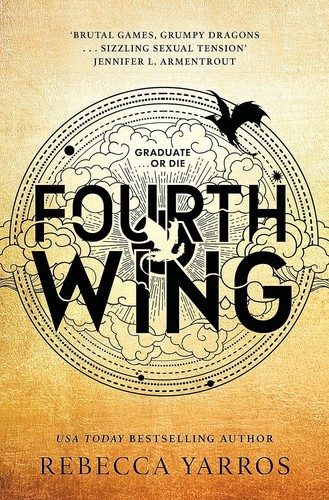
- Fourth Wing by Rebecca Yarros — a war college, dragons, and a romance built inside a world that wants to kill both people in it. Fourth Wing discussion guide.
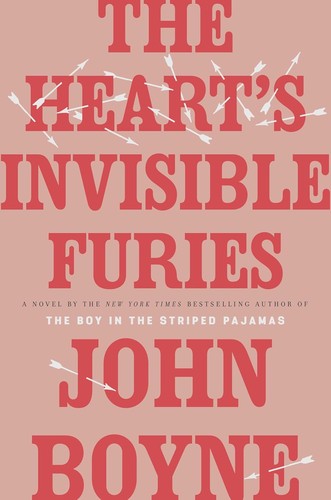
- The Heart’s Invisible Furies by John Boyne — one man’s life across seven decades in Ireland, narrated with the same attention to love, exile, and the cost of being visible. The Heart’s Invisible Furies discussion guide.
Read The Song of Achilles with neighbours in a Mutuals circle. Learn how to run a great reading-circle discussion. Explore more literary fiction picks for book clubs.
About Mutuals
Mutuals matches you with a handful of neighbours whose reading taste overlaps with yours into a local reading circle close to home: monthly meetups, no app fatigue. Free to sign up; you only pay $15 if a circle actually forms around you. If you want to read The Song of Achilles with people who live nearby, that’s literally what we do.
Bring The Song of Achilles to a Mutuals reading circle near you →
Imagine reading The Song of Achilles with a handful of neighbours who love it too. mutuals matches you with local readers who share your taste. Free to join, and just $15 on the day your circle forms.
Match with neighboursMore guides like this
From the blog
Discussion guide by the mutuals team. Questions are original.
More book guides