Babel Discussion Questions & Book Club Guide
by R.F. Kuang
Want to read Babel with a few people nearby?
About Babel
Robin Swift is orphaned in Canton and brought to Oxford by a mysterious professor who needs his Mandarin for the Royal Institute of Translation — known as Babel. The institute powers the British Empire through silver-work: enchanted bars that run on the untranslatable gaps between languages. Robin excels, makes friends, and discovers that his gift for crossing between tongues is also the engine of an empire that is bleeding his homeland dry. When a secret resistance group called the Hermes Society asks him to choose a side, he has to decide between the comfort Oxford gave him and the people it took everything from. R.F. Kuang’s 2022 novel is a 500-page argument about who benefits when languages are turned into tools of power. Book-club hook: it’s the book that makes people argue about whether reform or revolution is the right answer.
Discussion questions for Babel
Robin benefits personally from the same imperial system that destroyed his family. At what point in the story — if any — does his complicity become a genuine choice rather than survival?
Professor Lovell raises Robin with purpose, not love. How does Kuang use the father-son dynamic to mirror the broader relationship between empire and the people it claims to “civilise”?
The silver-work magic system runs on what gets lost between languages. What is Kuang saying about the real-world economics of translation — who profits from the gap, and who disappears inside it?
Oxford is described as breathtakingly beautiful and deeply monstrous at the same time. Did the novel change the way you think about prestigious institutions and who they were built to serve?
Robin’s cohort — Ramy, Victoire, and Letty — each responds differently to the reality of empire. Whose position did you find most understandable, and whose made you uncomfortable?
The Hermes Society asks Robin to sabotage Babel from the inside. Is the novel arguing that reform is impossible, or that Robin specifically is too compromised to attempt it?
Letty’s betrayal is framed as almost inevitable. Do you think Kuang is making a point about individual character, or about the structural limits of allyship from people who benefit from the system?
Kuang fills the novel with footnotes and etymological digressions. Did the academic tone pull you deeper in or push you away — and do you think that reaction says something about who the book is written for?
Ramy’s death is the turning point. Could Robin have arrived at the same political clarity without that loss, or does Kuang suggest that knowledge alone is never enough?
The ending is violent, bleak, and arguably futile. Did it feel like a failure or a form of resistance — and does the distinction matter?
Kuang has said the book is partly about her own experience in elite Western academia. How does knowing that autobiographical thread change the way you read Robin’s internal conflict?
Language in this novel is both weapon and wound. Is there a moment where translation feels genuinely beautiful rather than extractive, or does Kuang deny the reader that comfort?
If you could assign one real-world institution the role of Babel — a place that turns cultural knowledge into power for the few — what would it be, and what would the silver bars represent?
Themes in Babel
Translation as an act of power
Kuang reframes translation from a neutral bridge between cultures into an extraction industry. The silver-work makes this literal: the British Empire’s infrastructure runs on what other languages know that English doesn’t. For a book club, the question is whether Kuang is describing something that ended with formal empire or something that’s still happening every time a dominant culture absorbs a useful concept without crediting its source.
Complicity and the comfort of empire
Robin knows what the empire does and benefits from it anyway. Kuang doesn’t let him — or the reader — off easily. The novel insists that enjoying the beauty of Oxford while understanding its cost is not neutrality; it’s a position. This theme tends to generate the sharpest book-club debates because it implicates anyone who has benefited from a system they find morally troubling.
The university as instrument of colonialism
Babel is both a literal tower and a metaphor for the way academic institutions concentrate knowledge, gatekeep access, and serve state power while presenting themselves as spaces of pure inquiry. Kuang draws a direct line from 1830s Oxford to the modern research university, and groups that include academics or students tend to have a lot to say.
Revolution and its costs
The novel asks what happens when working within the system has failed and the only remaining option is destruction. The Hermes Society’s tactics escalate from sabotage to something much larger, and the book refuses to promise that the sacrifice will be worth it. Kuang seems less interested in whether revolution is justified than in what it costs the people who carry it out.
Language and what gets lost
Beneath the political argument is a quieter grief about the parts of meaning that can never cross from one language to another. Robin’s gift is also his wound — he lives in the space between languages, and that space is where the empire does its most precise violence. For multilingual readers especially, this theme tends to land hard.
Suggested book club format
- Length: 560 pages, roughly eleven to twelve hours of reading.
- Session count: Two to three sessions work best. A natural first break falls around Part Two when Robin returns to Canton; a second around the Hermes Society’s escalation in Part Three.
- Icebreaker: “Is there a word or phrase from another language — or from your family — that you’ve never been able to translate fully into English? What gets lost?”
- Moderator note: This book depicts colonialism, racial violence, and the death of major characters in direct, unflinching terms. The ending is bleak and deliberately unresolved. Name these elements at the start and check in with the group before diving into the final act. Some members may also want to process the Letty storyline separately, as it touches on complicity and betrayal in ways that can feel personal.
How a real club read this
Share how your club discussed Babel — tell us about your reading circle.
More books like Babel
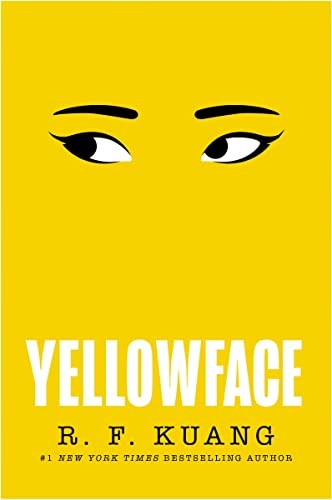
- Yellowface by R.F. Kuang — authorship, theft, and who gets to tell whose story in the publishing industry. Yellowface discussion guide.
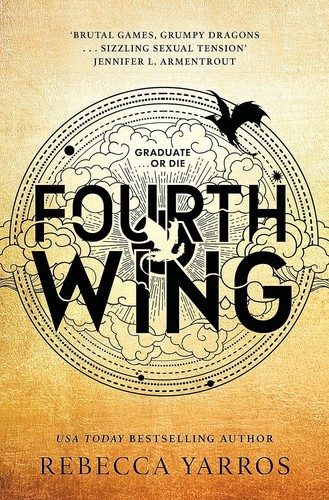
- Fourth Wing by Rebecca Yarros — a different kind of academic institution with deadly stakes and a magic system that demands everything. Fourth Wing discussion guide.
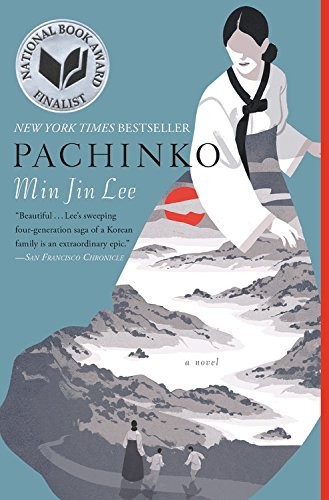
- Pachinko by Min Jin Lee — empire, identity, and generational survival under Japanese colonialism in Korea. Pachinko discussion guide.
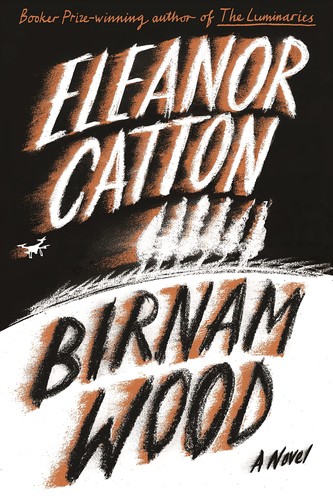
- Birnam Wood by Eleanor Catton — idealism, complicity, and what happens when activists compromise with the systems they oppose. Birnam Wood discussion guide.
Read Babel with neighbours in a Mutuals circle. Learn how to run a great reading-circle discussion. Explore more speculative fiction picks for book clubs.
About Mutuals
Mutuals matches you with a handful of neighbours whose reading taste overlaps with yours into a local reading circle close to home: monthly meetups, no app fatigue. Free to sign up; you only pay $15 if a circle actually forms around you. If you want to read Babel with people who live nearby and argue about whether Robin made the right call, that’s literally what we do.
Imagine reading Babel with a handful of neighbours who love it too. mutuals matches you with local readers who share your taste. Free to join, and just $15 on the day your circle forms.
Match with neighboursMore guides like this
From the blog
Discussion guide by the mutuals team. Questions are original.
More book guides